If you are trying to book a chimney sweep and want to know what you are actually paying for, who to trust, and how to tell a thorough job from a surface wipe-down, this chimney sweep buyer’s guide has the answers. After 25 years of chimney work across Oakland, San Francisco, San Jose, Santa Rosa, and every corner of the Bay Area, we have answered these questions more times than we can count. This guide puts all of it in one place.
What the Chimney Sweep Buyer’s Guide Covers and Why It Matters
A chimney sweep is more than a cleaning. It is a systematic removal of creosote, soot, and debris from the flue liner, smoke chamber, firebox, and damper, combined with a visual check of everything the technician can see along the way. When it is done correctly, it protects your home from chimney fires and carbon monoxide intrusion. When it is done poorly, it gives you a false sense of security.
Bay Area homeowners often assume that because they only light fires occasionally, the chimney is fine. The reality is that even light use produces creosote, a tar-like byproduct of incomplete combustion that coats the inside of the flue. In the damp, foggy conditions common across Marin County, the East Bay, and the Peninsula, creosote can combine with moisture to accelerate liner deterioration faster than homeowners expect. A proper sweep catches that early.
The Three Levels of Chimney Service You Should Know
Industry standards divide chimney service into three levels. Understanding these helps you ask the right questions before you book.
Level 1: Standard Sweep and Visual Inspection
This is appropriate for a chimney that has been swept regularly, shows no signs of change, and is being used the same way it always has been. The technician cleans accessible portions of the flue and visually inspects the readily accessible parts of the interior and exterior. No special tools or dismantling is required.
Level 2: Inspection with Video Scanning
A Level 2 inspection is required whenever something changes: a new homeowner, a new appliance connected to the flue, a weather event like an earthquake or a severe storm, or any time a Level 1 inspection reveals a concern. It includes everything in Level 1 plus a video scan of the entire flue length. This is the inspection type we recommend most often for homes we have not seen before, and it is what a real estate transaction should always involve.
Level 3: Invasive Inspection
This is reserved for situations where a serious hazard is suspected but cannot be confirmed without removing portions of the structure. It is uncommon in routine service but sometimes necessary after a chimney fire or a major structural concern.
How to Evaluate a Chimney Sweep Company Before You Book
The Bay Area has no shortage of people willing to show up with a brush and a vacuum. Separating a qualified professional from someone with basic equipment comes down to a few concrete questions.
- Are they certified? Look for technicians certified by the Chimney Safety Institute of America (CSIA). CSIA-certified sweeps have passed a rigorous exam and are required to keep their knowledge current. This is the credential that matters most in this industry.
- Do they carry insurance? A legitimate chimney sweep carries both general liability and workers’ compensation. If someone is working on your roof and inside your home without insurance, any accident becomes your problem.
- What does the sweep include? Ask specifically: Does the price cover the full flue, smoke chamber, and firebox? Will they clean up ash and soot completely, or leave that to you? A real sweep leaves no mess behind.
- Do they provide a written report? After the job, you should receive documentation of what was found, what was cleaned, and any conditions that need attention. Verbal-only reports are not enough.
- What is their track record? Third-party reviews on Google and Angi give you a realistic picture. Our team at Cali Chimney has earned the Angi Super Service Award every year from 2022 through 2025, which reflects consistent customer satisfaction across thousands of jobs, not just a handful of good months.
What Happens During a Professional Chimney Sweep
Knowing what to expect on the day of service helps you judge whether the work is being done properly.
A technician should arrive with protective drop cloths to cover the hearth and the surrounding floor. The firebox opening will be sealed with a work screen or a brush collar to contain dust and soot. The sweep begins at the top of the flue with rotary brushes sized to match your flue dimensions, working downward, with a high-powered vacuum capturing the debris below. After the flue is cleared, the technician cleans the smoke chamber and shelf, the damper assembly, and the firebox walls.
Once the cleaning is complete, a thorough sweep includes a close look at the flue liner for cracks or spalling, the firebox for mortar erosion or damaged firebrick, the damper for proper sealing and operation, and the exterior crown and cap for signs of weather damage. If any of these areas raise concern, a good technician will show you directly or explain what the video scan revealed.
The whole process typically takes between 45 minutes and two hours depending on the size and condition of the system. A job finished in 20 minutes should raise questions.
How Often Bay Area Homes Need Chimney Sweeping
The standard guidance in the industry has long been once per year for any chimney that sees regular use. For most Bay Area households, that means an annual sweep is the right baseline. However, a few local factors shift that calculation.
Wood choice matters significantly in this region. Homeowners who burn unseasoned or softwood produce more creosote per cord than those burning properly seasoned hardwood. If your wood source is inconsistent or you are not sure how well it was dried, a mid-season inspection is worth considering. We see this regularly in communities with easy access to fallen eucalyptus or pine, which burn poorly compared to seasoned oak.
Frequency of use also matters. A household in Danville or Pleasanton that runs fires several nights a week during the rainy season accumulates creosote faster than a home in Half Moon Bay that lights three fires all winter. If you are using the fireplace heavily, a sweep at the end of the season, before summer, prevents buildup from sitting in the flue through the warm months and hardening into a more stubborn form.
For gas fireplaces, the flue still needs annual inspection even without wood combustion, since animal nests, debris, and moisture damage can block a gas exhaust vent just as effectively as creosote blocks a wood-burning flue. You can read more about our chimney sweeping service to understand what each type of system requires.
Red Flags That Signal a Low-Quality Sweep
Some warning signs are obvious. Others are easy to miss if you have never watched a professional do this work.
- No inspection component: A sweep without any inspection is incomplete. The two go together. If a company advertises cleaning only, with no mention of checking the liner or firebox condition, that is a sign of a stripped-down service.
- Unusually short job time: The flue cannot be properly cleaned in 15 or 20 minutes. If the technician is back at the door with a clean-looking brush before you have finished your coffee, something was skipped.
- No vacuum or containment: Soot and creosote dust are fine particulates. A professional sweep contains them. If the technician shows up without a commercial-grade vacuum and some form of hearth protection, expect a mess and question the quality of the work.
- Vague or verbal-only findings: After the job, you should know exactly what was found. If the technician says everything looks fine but cannot point to specific components or show you a photo or video, there is no way to know whether anything was actually checked.
- Pressure for immediate major repairs: Some unscrupulous operators show homeowners alarming photos that may not even be from their chimney, then push for expensive work on the spot. A trustworthy sweep gives you a written report and time to consider your options. Second opinions are always legitimate.
Related Services Worth Understanding Before You Book
A chimney sweep is often a starting point, not the end of the conversation. Depending on what the technician finds, a few other services may come up.
If the liner shows cracks or deterioration, chimney repair may be recommended before you use the fireplace again. This is not alarmism. A cracked liner allows heat and combustion gases to reach the surrounding framing, which is a fire hazard regardless of how clean the flue is.
If debris, birds, or moisture are entering the flue, chimney cap installation is a straightforward fix that prevents recurring problems. Caps are one of the most cost-effective protective measures available for any chimney in the Bay Area, where seasonal rain and nesting birds are persistent issues.
If the firebox itself is deteriorating beyond what cleaning can address, a fireplace repair assessment will clarify what is needed and whether a full rebuild is warranted or a targeted repair will restore the system to safe operation.
What to Expect When You Work With Cali Chimney
We are a family-owned company with 25 years of chimney work behind us, and we have completed more than 4,700 chimney sweeps across the Bay Area. That history means we have seen the full range of what older Bay Area homes throw at us, from crumbling masonry in Berkeley bungalows to poorly lined flues in 1960s ranch homes in Fremont and Concord.
Every job starts with a full assessment before we quote any additional work. We document what we find, show it to you directly when possible, and explain the options clearly so you can make an informed decision without pressure. If your chimney is in good shape, we will tell you that too.
If you are ready to schedule a sweep or simply want to understand what your specific system needs, reach out to our team. We serve Oakland, San Francisco, Santa Rosa, Napa, San Jose, Petaluma, Mill Valley, Fremont, Danville, Concord, San Bruno, Redwood City, Davis, Fairfield, Pleasanton, Half Moon Bay, Santa Cruz, Boulder Creek, Berkeley, and San Rafael. A clean, safe chimney is not complicated when you know who to call.
You can also learn more about our chimney cleaning service to see how we approach each job from start to finish.
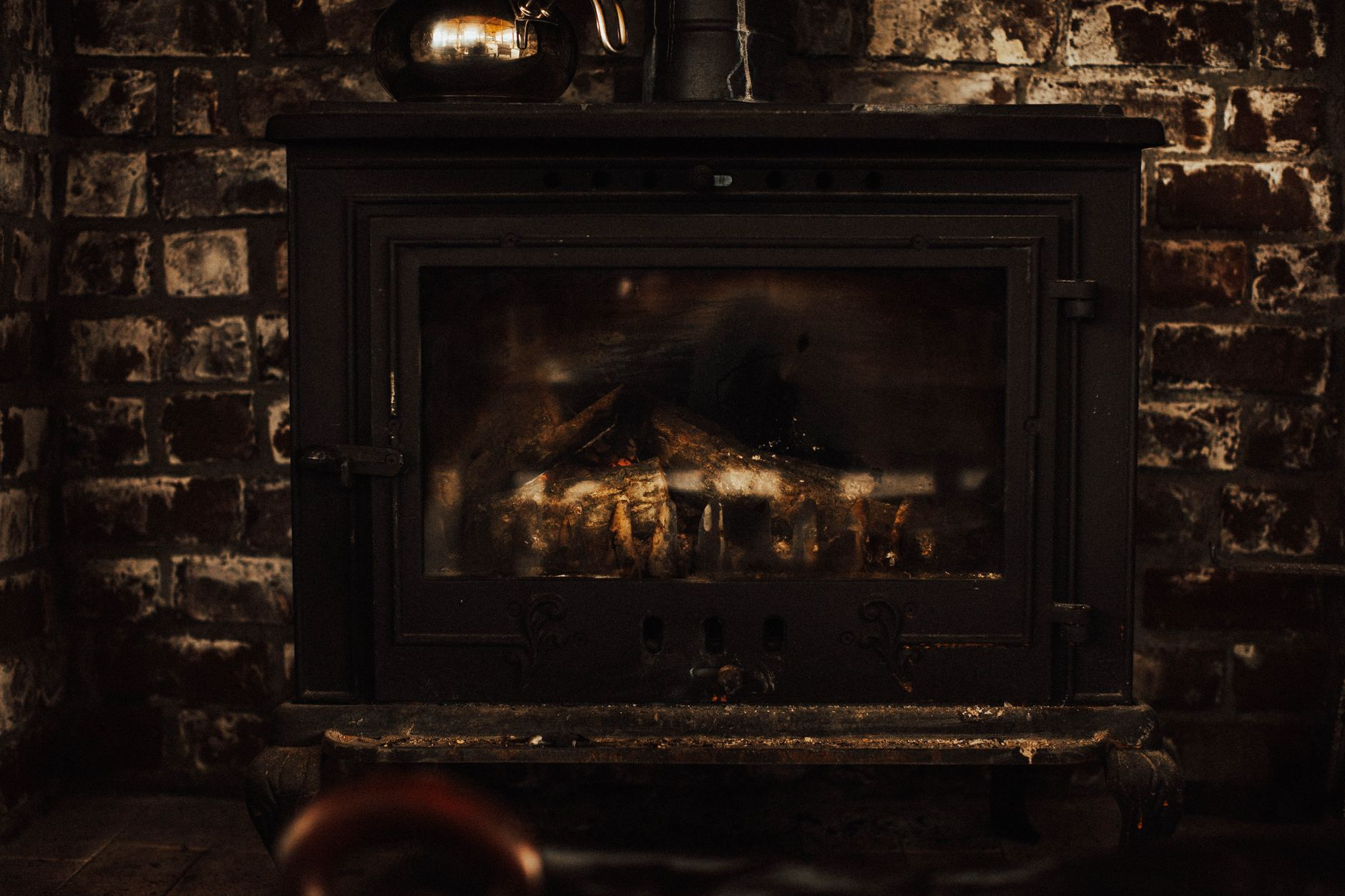
Photo by Lokman Sevim on Pexels.