Most homeowners think about chimney inspections once a year, usually when the first cold snap hits. But certain warning signs mean you need a chimney inspection sooner rather than later, regardless of when your last one was. After 25 years of serving Bay Area homeowners across Oakland, San Francisco, Santa Rosa, Napa, and beyond, our team at Cali Chimney has seen firsthand how quickly a small, overlooked issue can grow into something genuinely hazardous. If any of the signs below sound familiar, do not wait until fall to make the call. When You Need a Chimney Inspection Sooner Rather Than Later An annual inspection is the baseline. But there are situations where that schedule simply is not enough. The Bay Area’s wet winters, coastal fog, and occasional seismic activity all create conditions that can compromise a chimney between scheduled visits. Knowing what to watch for can be the difference between a routine service call and a major repair. Here is what we look for, and what you should watch for too. You See Visible Damage to the Exterior Masonry Walk around your chimney and take a close look at the brickwork and mortar joints. If you can see cracks in the masonry, chunks of brick falling away, or mortar that crumbles when you press a fingernail against it, those are active deterioration signs that require professional evaluation. We call this spalling, and it accelerates fast once moisture gets into the cycle of freezing and thawing. In wetter Bay Area communities like Petaluma, Mill Valley, and Boulder Creek, that cycle happens more frequently than most homeowners realize. Spalling that goes uninspected can compromise the structural integrity of the entire chimney stack. If you notice white streaking on the exterior brick, that is called efflorescence. It is a sign that water is already moving through the masonry, carrying mineral salts to the surface. It does not always indicate an immediate emergency, but it is a clear signal that water management and a professional inspection need to happen soon. There Has Been a Chimney Fire or a House Fire Nearby A chimney fire does not always announce itself dramatically. Many happen quietly, burning inside the flue liner without the homeowner ever knowing. Signs of a past chimney fire include a strong, sharp odor that lingers even when the fireplace is not in use, a popping or cracking sound you heard during a fire, and honeycomb-textured or puffy creosote deposits on the damper or smoke shelf. Creosote is the byproduct of incomplete wood combustion and is the fuel that feeds chimney fires. If you suspect one has occurred, stop using the fireplace entirely and schedule an inspection immediately. The same applies if there has been a significant house fire nearby, even if your chimney was not directly involved. Structural heat can affect mortar joints and the flue liner in ways that are not visible from the outside. You Recently Experienced an Earthquake or Significant Seismic Activity The Bay Area sits in earthquake country, and chimneys are among the first structures to show seismic damage. Even a moderate tremor can shift the masonry, crack the flue liner, or displace the chimney crown, which is the concrete or mortar cap that sits at the very top of the chimney stack and keeps water out. A displaced crown may look fine from the ground but be cracked through in ways that allow water to pour directly into the flue. After any earthquake strong enough to feel inside your home, we recommend treating your chimney as suspect until a qualified professional has inspected it. This is especially relevant for homeowners in the East Bay, Berkeley, Fremont, and Concord, areas where older construction and seismic risk overlap. Your Damper Is Hard to Open, Stuck, or Letting Cold Air In The damper is a metal plate inside the firebox that opens to allow smoke to exit and closes to keep conditioned air from escaping when the fireplace is not in use. If your damper feels stiff, will not seat properly, or you can feel a cold draft even when it is supposedly closed, that points to a problem worth investigating. A damaged or corroded damper is not just an efficiency issue. An improperly sealing damper can also allow animals, insects, or rain to enter the flue freely. In our experience, damper problems are frequently accompanied by other flue issues, so a damper that is not working correctly is rarely an isolated finding. A professional chimney inspection will assess the damper along with the full condition of the firebox, smoke chamber, and flue liner above it. Animals Have Gotten Into Your Chimney If you have heard scratching, chirping, or rustling sounds coming from your fireplace, animals are likely using your flue as a shelter or nesting site. Birds, raccoons, and squirrels are the most common culprits in Bay Area neighborhoods. Beyond the noise and the obvious unpleasantness, animal intrusions create real hazards. Nesting material is highly flammable. Animal waste is corrosive to masonry and metal liner components. And a bird or small animal that becomes trapped and dies in the flue creates a blockage that can force carbon monoxide back into your living space. After any confirmed animal intrusion, do not resume fireplace use until the flue has been inspected and cleared. A thorough chimney cleaning will remove debris and nesting material, and a properly fitted chimney cap afterward is the most reliable way to prevent a repeat situation. You Are Noticing Smoke or Odors Inside the House A fireplace that is drafting correctly sends all combustion gases up and out through the flue. If smoke is spilling into the room during a fire, or if you notice a persistent smoky or musty odor coming from the fireplace when it has not been used recently, something is interfering with that draft. The causes range from a blocked flue to a damaged smoke chamber to negative pressure in the home pulling air the wrong direction through the chimney. Smoke or odor
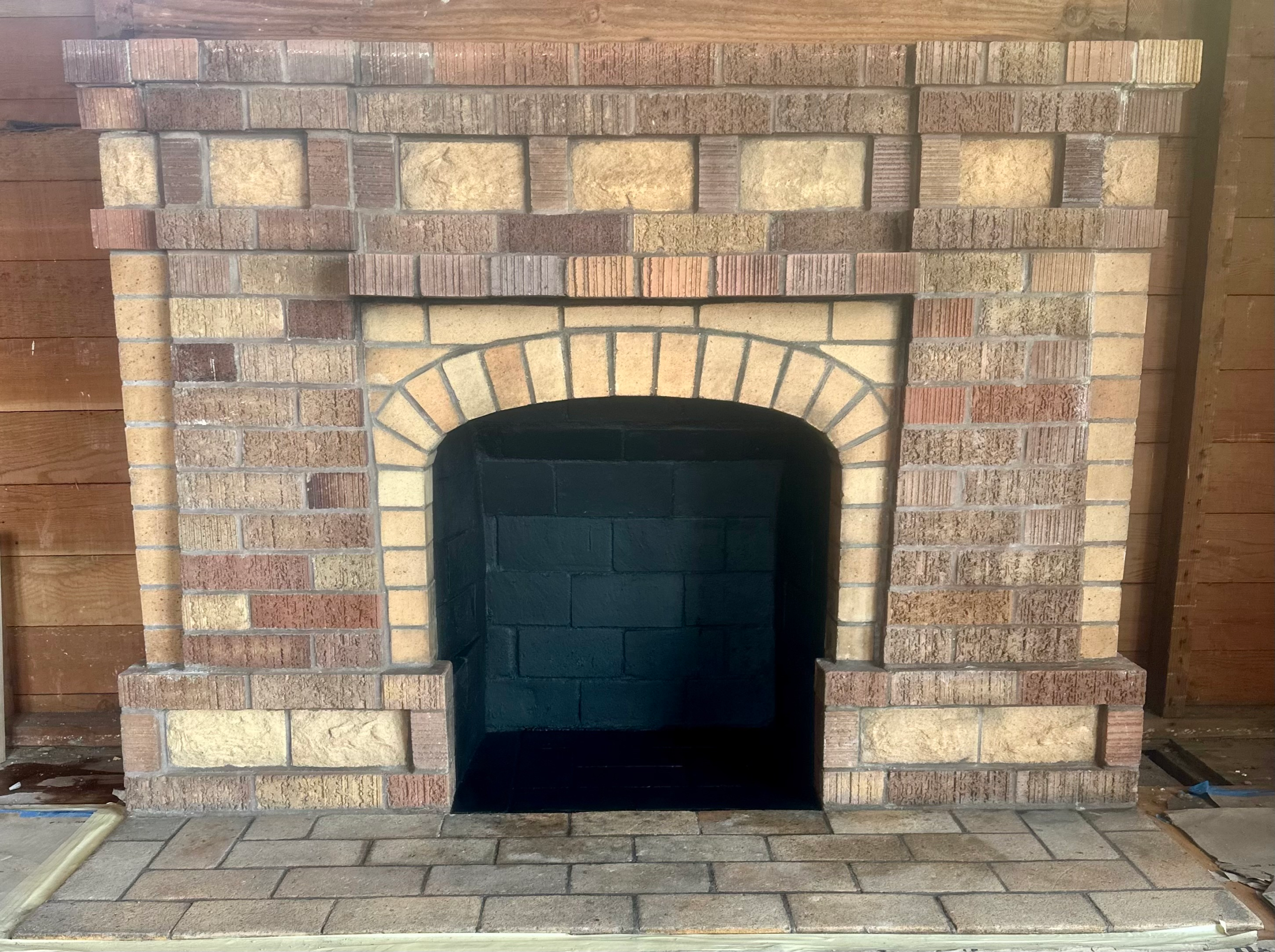
Creosote Buildup: Why It’s Dangerous and How to Prevent It
Creosote buildup is the leading cause of chimney fires. Learn what it is, why it is dangerous, and how Bay Area homeowners can prevent it.
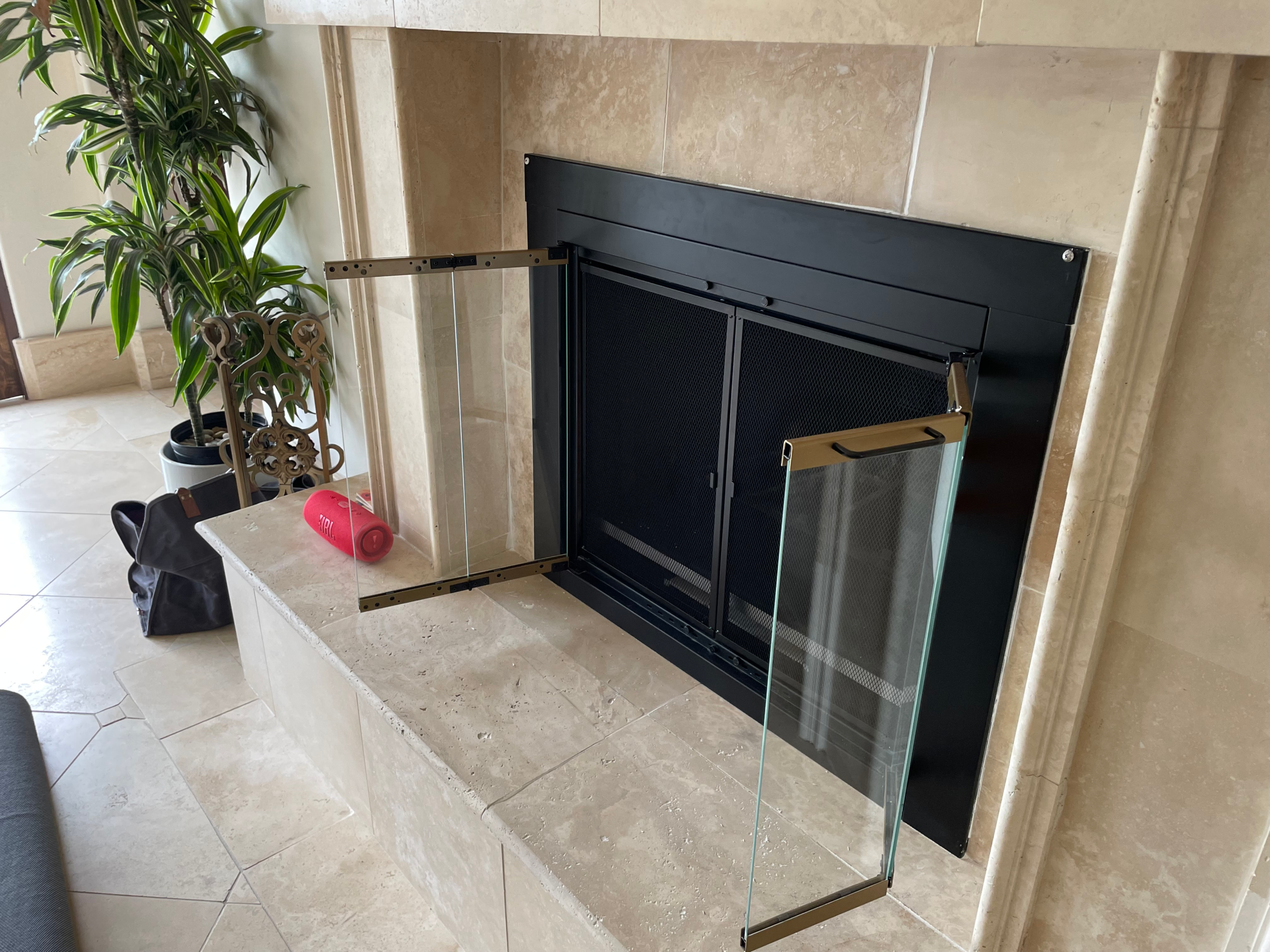
Chimney Inspection vs Chimney Cleaning: What Is the Difference?
Learn the difference between chimney inspection and chimney cleaning, when you may need both, and why regular service matters.