Buying your first home with a chimney is exciting right up until you realize you have no idea what shape that chimney is actually in. Chimney repairs for first-time buyers can feel overwhelming, but the process becomes much clearer once you know what to look for, which questions to ask your inspector, and which problems need attention before you light your first fire. After more than 25 years of working on chimneys across Oakland, San Francisco, Napa, Santa Rosa, and dozens of other Bay Area communities, our team has helped a lot of new homeowners sort through exactly this situation.
Why the Chimney Gets Overlooked During a Home Purchase
A general home inspection covers a lot of ground quickly. The inspector checks the roof, the electrical panel, the HVAC system, plumbing, and dozens of other items in just a few hours. The chimney often gets a visual glance from the firebox, but that is rarely enough to catch the problems that matter most.
The flue liner, which is the clay tile or metal sleeve that runs up through the chimney and contains combustion gases, is almost impossible to evaluate without a specialized camera. Cracks in the liner, deteriorating mortar between tiles, and blockages caused by nesting animals or debris simply do not show up in a general inspection report. The same goes for the smoke chamber directly above the firebox, the damper condition, and the chimney crown, which is the concrete or mortar cap that seals the top of the chimney structure.
Many first-time buyers discover needed repairs only after they have already closed and tried to use the fireplace for the first time. A dedicated chimney inspection before or shortly after closing is the smartest way to avoid that surprise.
Chimney Repairs for First-Time Buyers: The Most Common Problems We Find
When our team inspects a chimney in a home that has changed hands, certain issues come up consistently. Knowing them in advance helps you understand what you are looking at in an inspection report.
Deteriorated Flue Liner
Clay tile liners crack over time from the expansion and contraction caused by heating and cooling cycles. Earthquake activity, which is a real factor throughout the Bay Area, accelerates that process. A cracked liner is not just an efficiency problem. It is a safety issue because gaps in the liner allow carbon monoxide and heat to migrate into the surrounding structure. Depending on the extent of the damage, repairs may involve relining the flue with a stainless steel liner or applying a cast-in-place liner system that essentially creates a new smooth interior surface.
Mortar Joint Erosion
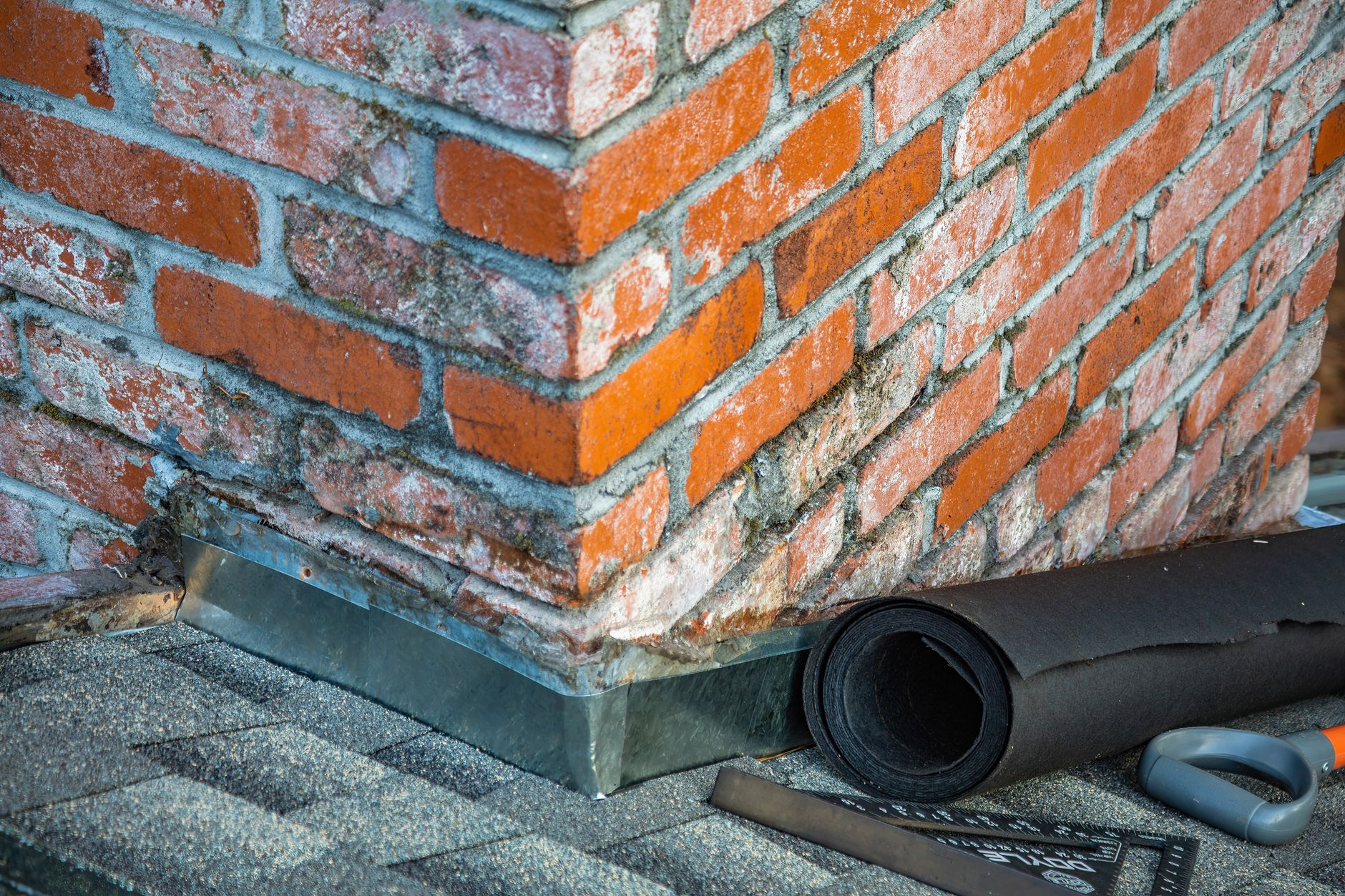
The mortar between the bricks that make up the chimney exterior weathers over time, particularly on the portions exposed to the Bay Area’s wet winters and morning fog. When mortar erodes, water gets in. Water infiltration speeds up brick deterioration and can cause serious structural damage if left alone for several seasons. The repair process, called tuckpointing, involves carefully removing deteriorated mortar and packing in fresh material that matches the original.
Damaged or Missing Chimney Cap
A chimney cap is a small metal or masonry cover that sits over the top of the flue opening. It keeps rain, birds, squirrels, and debris out of the flue. Missing or damaged caps are extremely common in older homes. Without one, a single rainy season can introduce enough moisture into the flue to accelerate liner and mortar damage significantly. If the home you purchased lacks a cap or has one that is rusted through, chimney cap installation is one of the most straightforward and cost-effective repairs available.
Chimney Crown Cracking
The crown is the concrete or mortar surface that covers the top of the chimney structure and slopes away from the flue opening so water runs off. Crowns crack from freeze-thaw cycles and UV exposure. A cracked crown lets water into the brick and mortar below it, which compounds faster than most homeowners expect. Small cracks can often be sealed with a flexible waterproof sealant. Larger failures may require the crown to be rebuilt entirely.
Firebox and Smoke Chamber Issues
The firebox is the part you can actually see: the box where the fire burns, lined with firebrick and refractory mortar. Refractory mortar is engineered to handle high heat, so it is not interchangeable with standard mortar. When firebox joints crack or firebrick spalls, it needs proper repair before use. The smoke chamber, the funnel-shaped space above the damper that compresses smoke before it enters the flue, should be smooth and properly parged (coated with refractory mortar) to prevent creosote buildup and draft problems. Our team often finds smoke chambers in older Bay Area homes that have never been properly parged.
How to Read a Chimney Inspection Report as a New Owner
A thorough chimney inspection follows a three-level framework established by the National Fire Protection Association. As a first-time buyer, understanding the difference matters.
- Level 1 covers accessible areas that are visible without special tools. It is the minimum for a chimney that has been in regular use with no known changes.
- Level 2 includes a video scan of the interior flue. This is the standard recommended when a home changes ownership. If the seller’s disclosure or general home inspection raised any concerns about the chimney, insist on a Level 2.
- Level 3 is reserved for situations where hidden damage is strongly suspected. It may involve removing portions of the structure to access concealed areas.
When you receive a Level 2 report, pay attention to whether the inspector noted any liner cracks, offsets in the flue tiles, or deterioration in the smoke chamber. Those findings usually require professional repair before the fireplace is safe to use. Scheduling a chimney inspection early, ideally before your first fire, is the most important step you can take as a new owner.
Questions to Ask Before You Schedule Repairs
Not every chimney problem requires immediate attention, and a trustworthy sweep will tell you that. Here are the questions worth asking any chimney professional before work begins.
- Is this repair a safety issue or a maintenance issue? Understanding urgency helps you prioritize.
- What happens if I wait one season? For some repairs, the answer is nothing catastrophic. For liner damage or firebox deterioration, the answer is usually that the problem gets worse quickly.
- Can I see the inspection footage? Any company doing a Level 2 scan should be willing to walk you through what the camera found.
- What materials will you use and why? For liner repairs, stainless steel and cast-in-place systems both have legitimate uses depending on the situation. A professional should be able to explain their recommendation.
- Do you carry liability insurance and are your technicians certified? This matters for any structural work on your home.
Our team has earned the Angi Super Service Award from 2022 through 2025, and we consider honest assessment of what actually needs doing to be a core part of how we work. If something does not need repair, we say so.
Bay Area Conditions That Make Chimney Upkeep More Demanding
Homeowners who move to the Bay Area from drier climates sometimes underestimate how much local conditions affect a chimney. The region’s wet winters, marine layer, and occasional temperature swings put real stress on masonry. Homes in areas like Mill Valley, Half Moon Bay, or the Oakland hills see significant moisture cycling through the exterior structure every year.
Older homes in Berkeley and the East Bay, particularly those built before the 1970s, may have original clay tile liners that have never been replaced. Those liners were designed to last, but they were not designed to last forever, and decades of use add up. When a home like that changes hands, a Level 2 inspection is not a luxury. It is the baseline due diligence.
Bay Area seismic activity also deserves a mention. Earthquakes flex masonry structures in ways that heat alone does not. Even a moderate seismic event can crack a liner or shift a brick course in ways that are not visible from outside. If the home you purchased has not had a chimney inspection since a significant seismic event in your area, that is a good reason to schedule one.
Choosing the Right Company for Chimney Repairs
Chimney repair is not a project for a general handyman. Liner work, crown rebuilding, and tuckpointing all require knowledge of the specific materials and tolerances involved. A sweep who cuts corners on a firebox repair can create a fire hazard rather than solve one.
Look for a company with documented experience in the type of repair you need. Ask whether they will pull permits if required by your municipality. A company doing significant structural work should not hesitate on that question. Check reviews specifically for repair work, not just annual cleaning appointments, since they require different skill sets.
Cali Chimney is a family-owned business with more than 25 years of hands-on chimney work across the Bay Area. Our team handles everything from minor tuckpointing to full chimney repair projects, and we approach each job with the same level of care whether the chimney belongs to a longtime homeowner or someone who just picked up the keys last week. We also offer chimney cleaning as part of a complete assessment, so new owners get a clear picture of their system from top to bottom.
Starting Off Right as a First-Time Chimney Owner
The goal here is not to make a chimney feel like a burden. Most issues found in home-sale inspections are fixable, and once they are addressed, a well-maintained chimney can serve you reliably for many years with nothing more than annual sweeping and periodic inspections.
The first step is simply getting accurate information about what you have. Before you light a fire in a chimney you have not had inspected yourself, schedule that Level 2 scan. Get the findings in writing. Understand which items are urgent and which are routine maintenance. Then work through the list with a qualified company at a pace that makes sense for your situation.
If you have recently purchased a home in Oakland, Concord, Pleasanton, Danville, San Jose, or anywhere else in the Bay Area and you are trying to figure out where your chimney stands, we are glad to come out and give you a straight answer. Reach out to schedule an inspection and let our team help you start your time in this home with confidence.