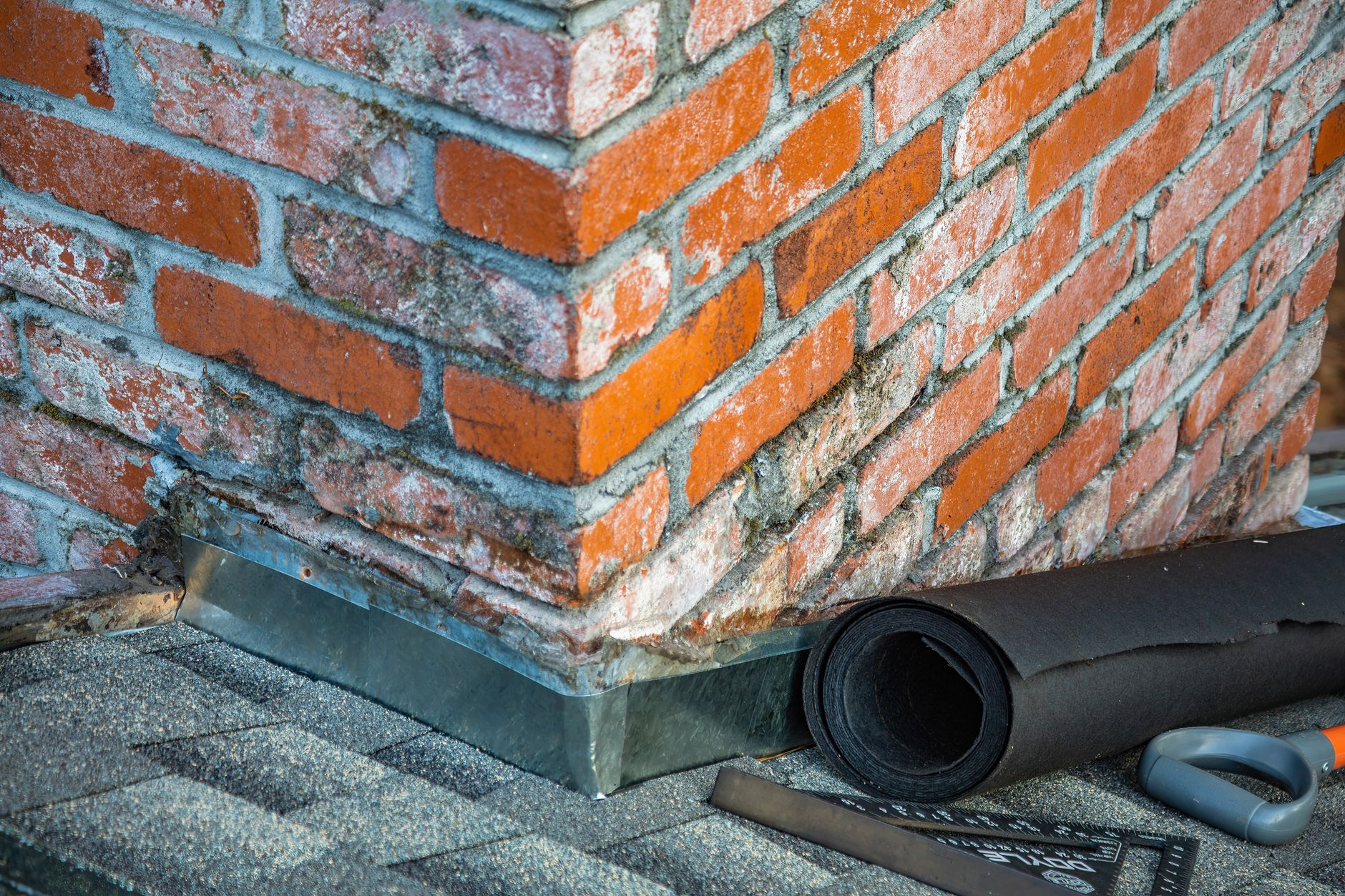
Buying your first home with a chimney is exciting right up until you realize you have no idea what shape that chimney is actually in. Chimney repairs for first-time buyers can feel overwhelming, but the process becomes much clearer once you know what to look for, which questions to ask your inspector, and which problems need attention before you light your first fire. After more than 25 years of working on chimneys across Oakland, San Francisco, Napa, Santa Rosa, and dozens of other Bay Area communities, our team has helped a lot of new homeowners sort through exactly this situation. Why the Chimney Gets Overlooked During a Home Purchase A general home inspection covers a lot of ground quickly. The inspector checks the roof, the electrical panel, the HVAC system, plumbing, and dozens of other items in just a few hours. The chimney often gets a visual glance from the firebox, but that is rarely enough to catch the problems that matter most. The flue liner, which is the clay tile or metal sleeve that runs up through the chimney and contains combustion gases, is almost impossible to evaluate without a specialized camera. Cracks in the liner, deteriorating mortar between tiles, and blockages caused by nesting animals or debris simply do not show up in a general inspection report. The same goes for the smoke chamber directly above the firebox, the damper condition, and the chimney crown, which is the concrete or mortar cap that seals the top of the chimney structure. Many first-time buyers discover needed repairs only after they have already closed and tried to use the fireplace for the first time. A dedicated chimney inspection before or shortly after closing is the smartest way to avoid that surprise. Chimney Repairs for First-Time Buyers: The Most Common Problems We Find When our team inspects a chimney in a home that has changed hands, certain issues come up consistently. Knowing them in advance helps you understand what you are looking at in an inspection report. Deteriorated Flue Liner Clay tile liners crack over time from the expansion and contraction caused by heating and cooling cycles. Earthquake activity, which is a real factor throughout the Bay Area, accelerates that process. A cracked liner is not just an efficiency problem. It is a safety issue because gaps in the liner allow carbon monoxide and heat to migrate into the surrounding structure. Depending on the extent of the damage, repairs may involve relining the flue with a stainless steel liner or applying a cast-in-place liner system that essentially creates a new smooth interior surface. Mortar Joint Erosion The mortar between the bricks that make up the chimney exterior weathers over time, particularly on the portions exposed to the Bay Area’s wet winters and morning fog. When mortar erodes, water gets in. Water infiltration speeds up brick deterioration and can cause serious structural damage if left alone for several seasons. The repair process, called tuckpointing, involves carefully removing deteriorated mortar and packing in fresh material that matches the original. Damaged or Missing Chimney Cap A chimney cap is a small metal or masonry cover that sits over the top of the flue opening. It keeps rain, birds, squirrels, and debris out of the flue. Missing or damaged caps are extremely common in older homes. Without one, a single rainy season can introduce enough moisture into the flue to accelerate liner and mortar damage significantly. If the home you purchased lacks a cap or has one that is rusted through, chimney cap installation is one of the most straightforward and cost-effective repairs available. Chimney Crown Cracking The crown is the concrete or mortar surface that covers the top of the chimney structure and slopes away from the flue opening so water runs off. Crowns crack from freeze-thaw cycles and UV exposure. A cracked crown lets water into the brick and mortar below it, which compounds faster than most homeowners expect. Small cracks can often be sealed with a flexible waterproof sealant. Larger failures may require the crown to be rebuilt entirely. Firebox and Smoke Chamber Issues The firebox is the part you can actually see: the box where the fire burns, lined with firebrick and refractory mortar. Refractory mortar is engineered to handle high heat, so it is not interchangeable with standard mortar. When firebox joints crack or firebrick spalls, it needs proper repair before use. The smoke chamber, the funnel-shaped space above the damper that compresses smoke before it enters the flue, should be smooth and properly parged (coated with refractory mortar) to prevent creosote buildup and draft problems. Our team often finds smoke chambers in older Bay Area homes that have never been properly parged. How to Read a Chimney Inspection Report as a New Owner A thorough chimney inspection follows a three-level framework established by the National Fire Protection Association. As a first-time buyer, understanding the difference matters. Level 1 covers accessible areas that are visible without special tools. It is the minimum for a chimney that has been in regular use with no known changes. Level 2 includes a video scan of the interior flue. This is the standard recommended when a home changes ownership. If the seller’s disclosure or general home inspection raised any concerns about the chimney, insist on a Level 2. Level 3 is reserved for situations where hidden damage is strongly suspected. It may involve removing portions of the structure to access concealed areas. When you receive a Level 2 report, pay attention to whether the inspector noted any liner cracks, offsets in the flue tiles, or deterioration in the smoke chamber. Those findings usually require professional repair before the fireplace is safe to use. Scheduling a chimney inspection early, ideally before your first fire, is the most important step you can take as a new owner. Questions to Ask Before You Schedule Repairs Not every chimney problem requires immediate attention, and a trustworthy sweep will tell you that. Here are the questions worth asking
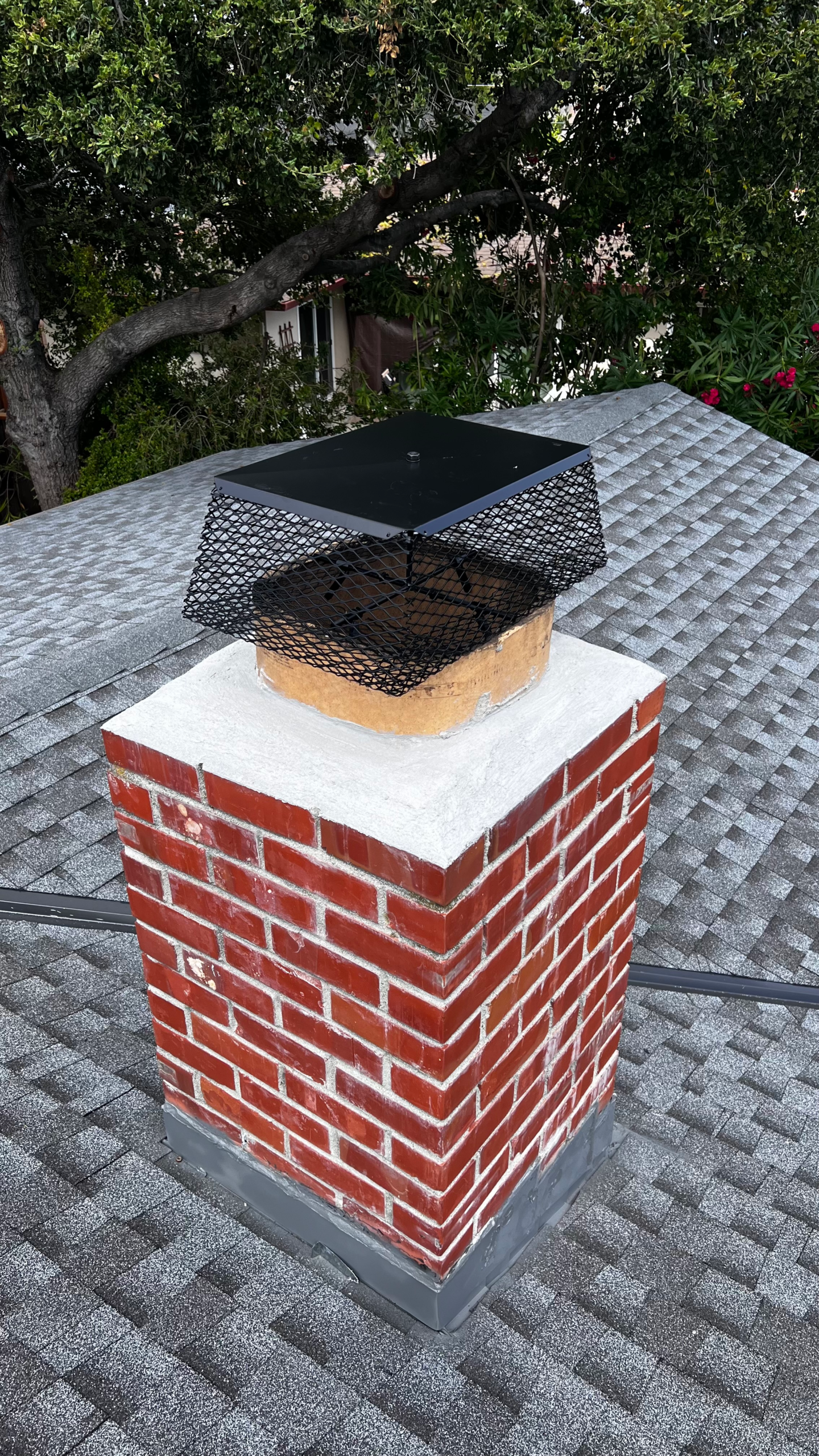
Chimney Flashing Repair: Stopping Leaks Where Your Chimney Meets the Roof
A stained ceiling near your fireplace usually means failing flashing. Learn the signs, how chimney flashing repair works, and what it costs in the Bay Area.
Chimney Repair in the Bay Area: A Complete Buyer’s Guide
If you are trying to figure out what kind of chimney repair in the Bay Area you actually need, and whether the work a contractor is recommending makes sense, this guide is for you. After 25 years of working on chimneys across Oakland, San Francisco, Napa, Santa Rosa, and the rest of the region, our team has seen every type of damage and heard every variation of the same questions homeowners ask before booking a repair. This guide answers those questions honestly, so you can make a confident decision. Why Bay Area Chimneys Need Repairs More Often Than You Might Expect The Bay Area is not a harsh climate by most measures, but it is hard on masonry in ways that are easy to underestimate. Wet winters followed by dry, sun-baked summers cause mortar joints to expand and contract repeatedly. Salt air along the coast accelerates the deterioration of metal components like dampers and chimney caps. Fog that settles overnight and burns off by midday introduces daily moisture cycles that gradually loosen brickwork and saturate crowns. Older homes in Berkeley, Danville, and Fremont often have chimneys that were built to mid-century standards that no longer reflect current fire safety requirements. Even a chimney that looks solid on the outside can have a cracked flue liner, a deteriorated smoke chamber, or a crown that has started to separate from the brick. These are not cosmetic problems. They are the kind of defects that allow heat, sparks, or carbon monoxide to reach places they should never reach. The volume of work we do across the region, more than 4,700 chimney sweeps and inspections completed, consistently shows us that small problems left unaddressed become significantly more involved repairs within a season or two. Catching them early is always the better path. The Most Common Types of Chimney Repair in the Bay Area Not every chimney problem requires the same solution. Here is a plain-language breakdown of the repairs homeowners most frequently need in this region, what they involve, and why they matter. Mortar Joint Repointing Mortar is the material that holds bricks together. Over time it weathers out, leaving gaps that allow water to get behind the brickwork. Repointing, sometimes called tuckpointing, means carefully removing the deteriorated mortar to a consistent depth and packing in fresh mortar that is matched to the original. Done correctly, it restores both the structural integrity and the weather resistance of the chimney. Done incorrectly, with the wrong mortar mix or poor technique, it can actually trap moisture and accelerate damage. Crown Repair and Rebuilding The crown is the concrete or mortar cap that covers the top of the chimney stack, with an opening for the flue. It slopes outward so rain runs off rather than pooling. Crowns crack from seasonal movement and from improper construction. A cracked crown lets water funnel directly into the chimney structure. Minor cracks can often be sealed with a flexible, waterproof crown sealant. More extensive cracking or a crown that was poured too thin typically requires removal and rebuilding. Flue Liner Repair and Relining The flue liner is the interior lining of the chimney that contains combustion gases and protects the surrounding masonry from heat. Terracotta tile liners, the most common type in older Bay Area homes, crack from thermal shock over time. When a liner is compromised, hot gases and potentially carbon monoxide can seep into the home’s structure. Repairs range from applying a specialized resurfacing product to the interior (for minor joint separation) to installing a stainless steel liner that runs the full length of the flue. The right choice depends on the extent of the damage and the type of appliance the chimney serves. Smoke Chamber Parging The smoke chamber sits just above the firebox, below the flue. Its job is to compress the rising combustion gases and funnel them efficiently into the flue. Many older chimneys have corbelled smoke chambers with exposed brick steps rather than a smooth, parged surface. Current standards call for a smooth, insulating coating applied to the smoke chamber walls. This both reduces creosote accumulation and improves draft. If you have noticed a sluggish fire or smoke rolling back into the room, a rough or damaged smoke chamber may be part of the reason. Damper Repair and Replacement The damper controls the airflow between the firebox and the flue. A warped, rusted, or broken damper cannot seal properly, which means conditioned air escapes up the chimney when the fireplace is not in use, and cold drafts come down when it is. Throat dampers sit just above the firebox. Top-mounted dampers, which seal at the top of the flue, are often a better long-term solution because they also keep rain, debris, and animals out. Our team regularly recommends top-mounted dampers for homes in foggy or coastal areas like Mill Valley, Half Moon Bay, and San Bruno. Firebox Repair The firebox is the chamber where the fire actually burns. The back wall and sides are typically lined with firebrick, a dense refractory brick designed to withstand extreme heat. Firebrick can crack from direct thermal stress or from settling. The mortar between firebrick, called refractory mortar or fire clay, can also deteriorate. Damaged firebrick or joints should be replaced before continued use because the structural integrity of the firebox is your first line of defense against fire spreading to the home’s framing. You can learn more about our fireplace repair services if the damage you are seeing appears to be inside the firebox itself. How to Evaluate a Chimney Repair Recommendation One of the most common questions we hear from homeowners in Concord, Pleasanton, and San Rafael is some version of: how do I know if I really need this repair, or if someone is just selling me something? That skepticism is healthy. Here is how to think through it. Ask What the Inspection Finding Was Any legitimate repair recommendation should come from a documented inspection finding, not from a visual glance at the exterior. A
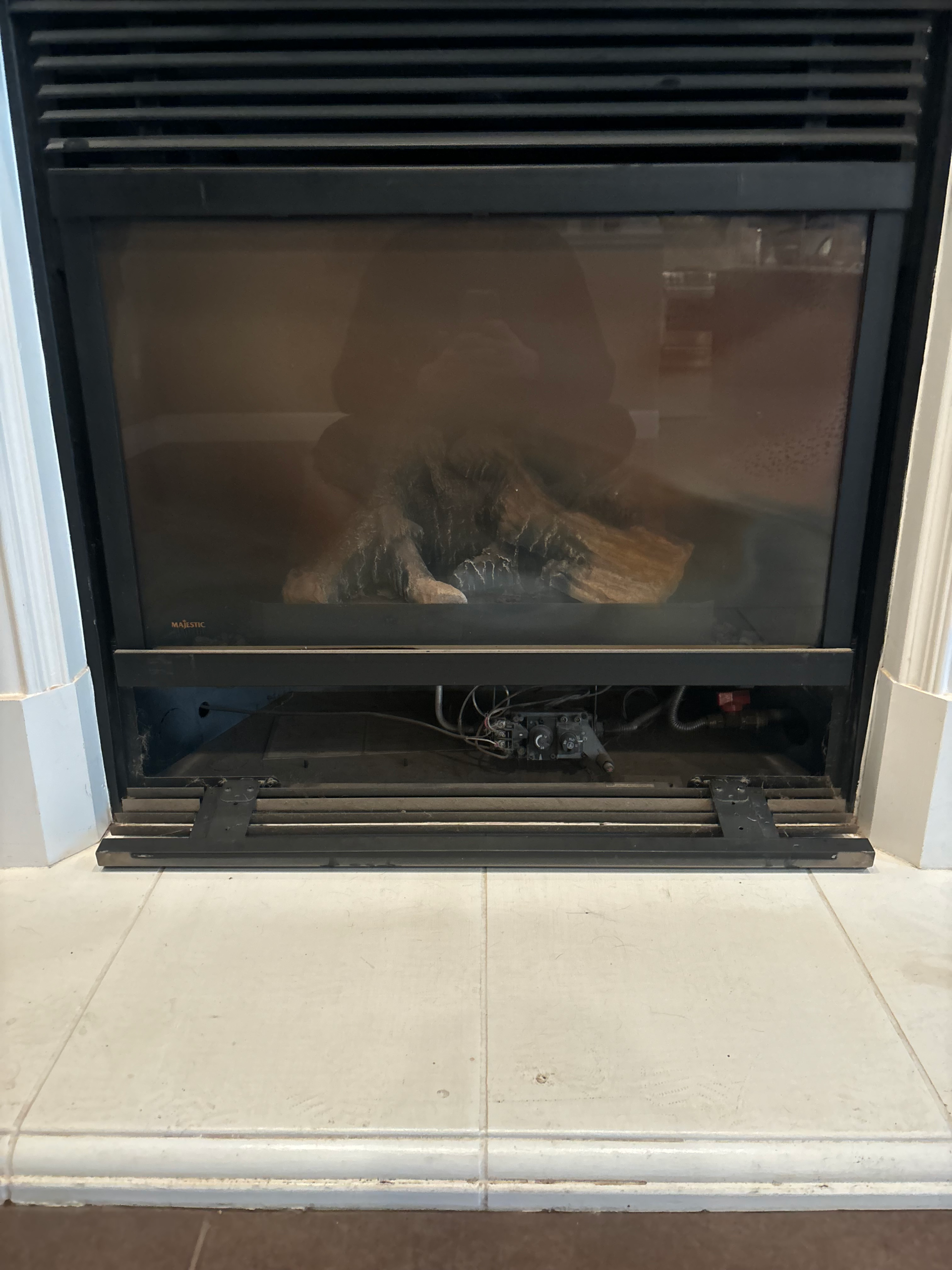
Chimney Waterproofing and Leak Repair: Protecting Your Bay Area Home
Water is the biggest threat to your chimney. Learn how chimney waterproofing works, the signs of a leak, and how to protect your Bay Area home.
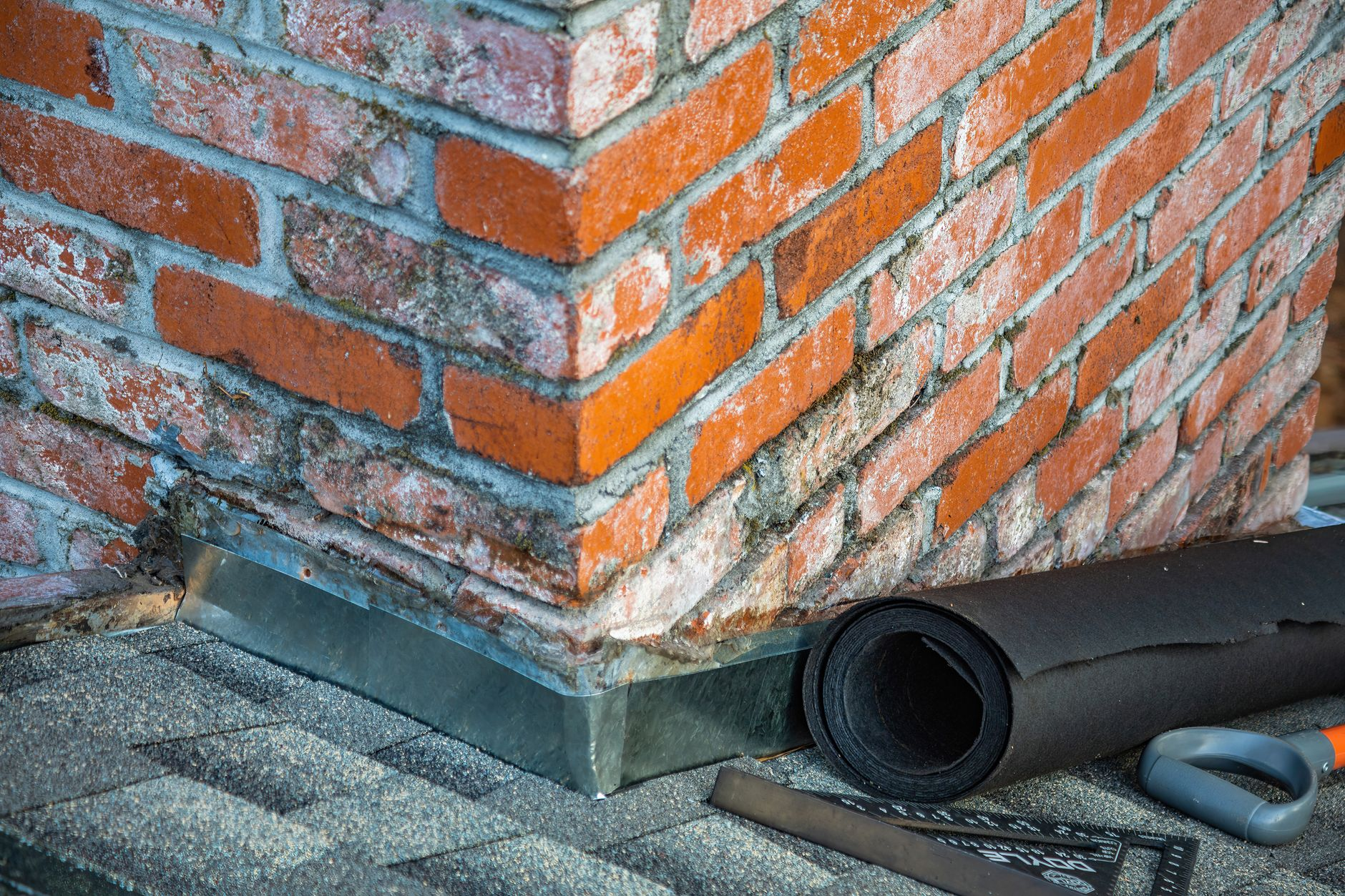
Do Bay Area Homes Need Chimney Caps?
Learn how chimney caps help protect Bay Area homes from rain, debris, animals, and chimney damage.
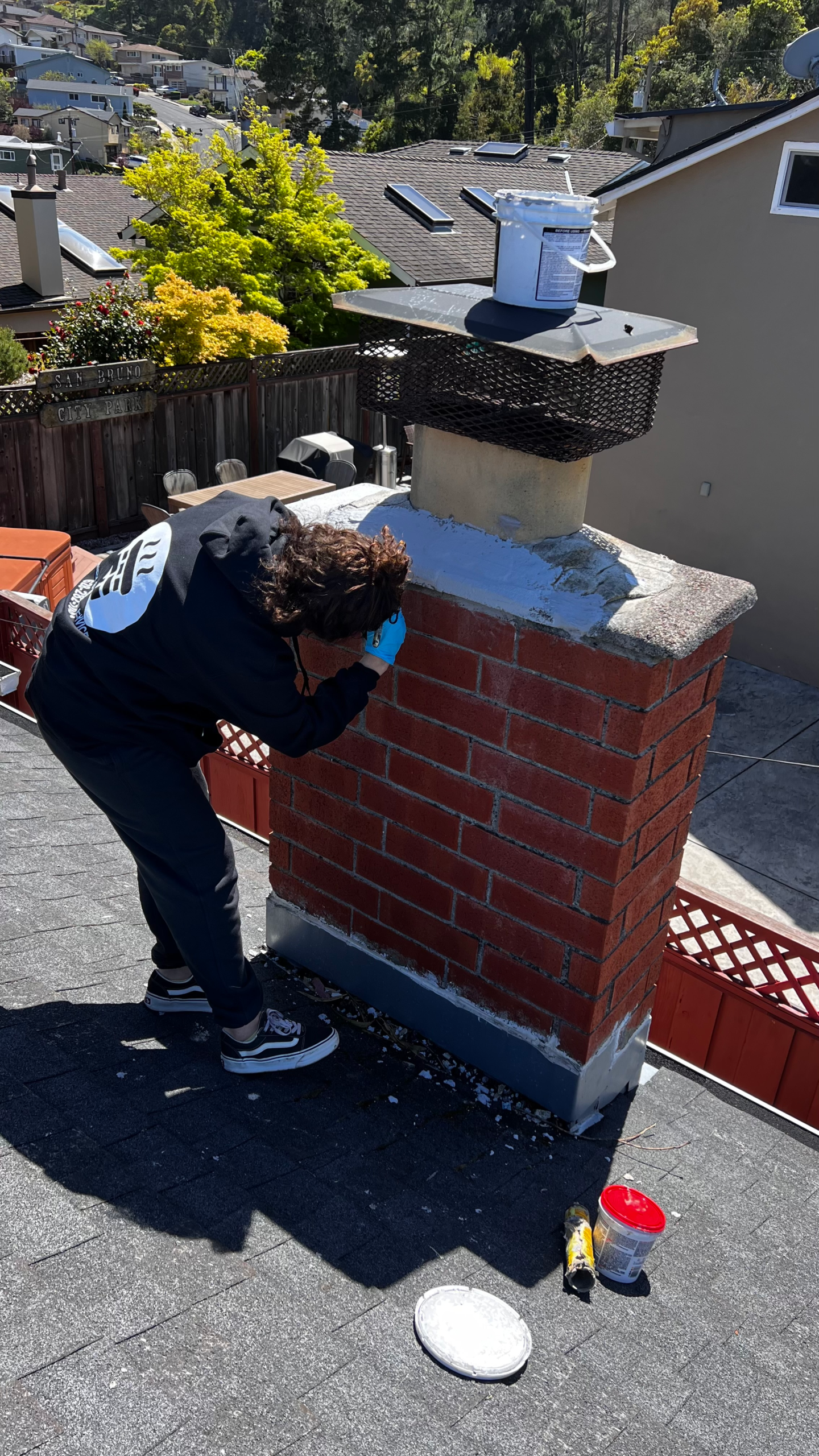
7 Signs Your Chimney Needs Repair Before It Becomes Expensive
Cracks, leaks, rust, smoke, and missing chimney caps can point to chimney damage. Learn when Bay Area homeowners should schedule repair.