Yes — nearly every chimney in the Bay Area benefits from a properly fitted chimney cap. Whether you have a wood-burning fireplace, a gas insert, or a seldom-used decorative fireplace, a chimney cap is one of the most practical and cost-effective ways to protect your chimney system from damage.
Here is what chimney caps do, why they matter in the Bay Area specifically, and how to know if yours is working as it should. For independent guidance on chimney safety and maintenance, the Chimney Safety Institute of America offers helpful homeowner resources.
What Does a Chimney Cap Do?
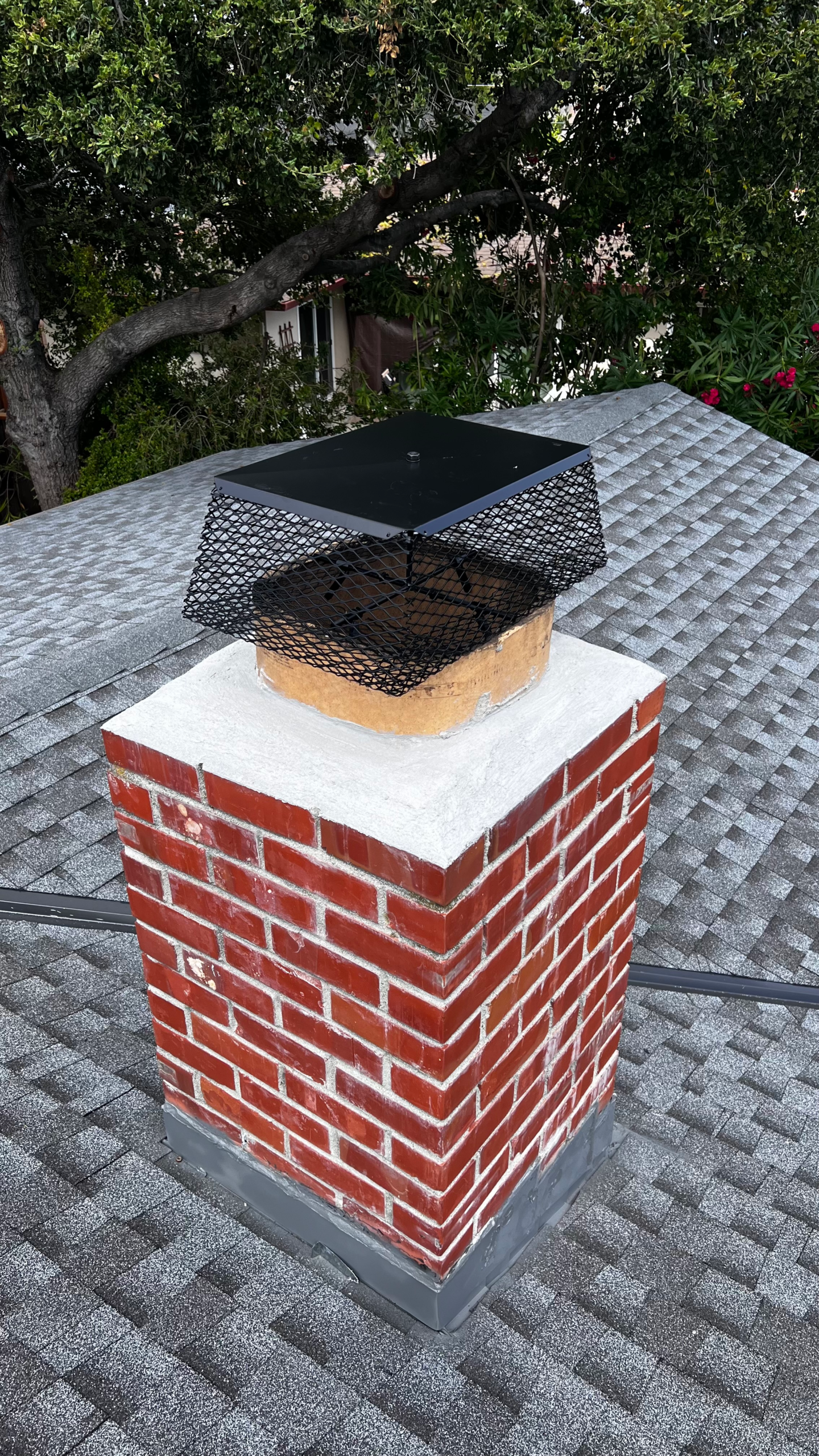
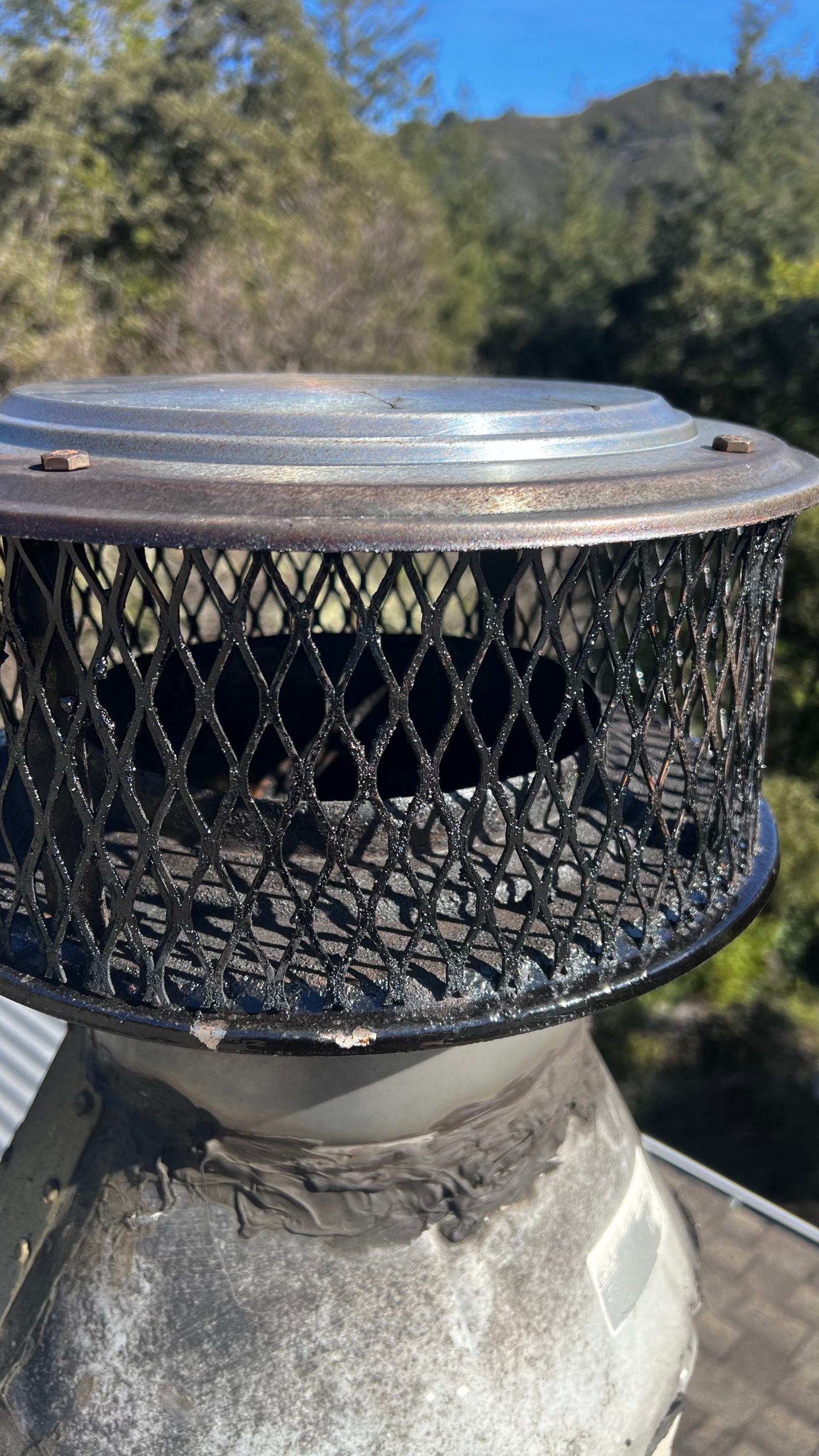
A chimney cap is a metal cover that fits over the flue opening at the top of your chimney. It typically consists of a solid top plate to deflect rain and a mesh screen around the sides to allow smoke to exit while keeping everything else out. Caps come in galvanized steel, stainless steel, and copper, with varying sizes and styles to fit different chimney configurations.
A chimney cap serves four primary functions: keeping out rain, keeping out animals and debris, controlling sparks, and helping with draft. Each of these matters for Bay Area homeowners.

Rain and Moisture Protection
Water is one of the most damaging forces for a chimney system. When rain falls directly into an uncapped flue, it lands in the firebox, saturates the masonry, and can cause or accelerate:
- Rust on the damper and other metal components
- Deterioration of mortar joints in the flue liner
- Cracking and spalling of firebrick and masonry
- Moisture-related odors in the firebox and living area
- Water staining on the ceiling or walls near the fireplace
In the Bay Area, the wet season from November through April means months of regular rainfall that an uncapped chimney must absorb. A chimney cap is one of the most direct ways to reduce moisture-related damage and the repair costs that come with it.
Animal and Debris Protection
An open flue is an attractive entry point for birds, squirrels, raccoons, and other wildlife looking for a sheltered space. Animals that enter the chimney may nest there, become trapped, or create blockages that prevent smoke from escaping properly.
Even without animals, leaves, twigs, seeds, and other debris can fall into an uncapped flue and accumulate at the base of the firebox or block airflow. A chimney cap with a mesh screen keeps all of this out while still allowing smoke to exit freely.
Spark and Ember Control
When a wood fire burns, small embers and sparks travel up through the flue with the combustion gases. Without a cap, these can exit the chimney and land on the roof, in the gutters, or on surrounding vegetation. The mesh screen on a chimney cap acts as a spark arrester, catching embers before they can escape and potentially cause problems.
This is especially relevant in areas near dry vegetation or during periods of elevated fire danger. While a chimney cap is not a complete fire prevention measure, it does reduce one potential ignition source.
Signs Your Chimney Cap Is Missing or Damaged
Chimney caps can deteriorate over time, become dislodged in storms, or be installed incorrectly. Signs that your cap may be missing or damaged include:
- You can see the open flue when looking up from inside the firebox
- Water is entering the firebox after rain
- You have found animal droppings, nesting material, or live animals near the firebox
- Leaves, twigs, or debris are collecting in the firebox
- A rust smell is noticeable from the fireplace
- The visible portion of your chimney cap looks bent, corroded, or is visibly missing sections
When to Repair or Replace a Chimney Cap
Galvanized steel caps have a shorter lifespan than stainless steel or copper options. If your cap is visibly rusted through, bent out of shape, or missing sections of the mesh screen, it is not providing full protection and should be replaced. A cap that is the wrong size for your flue — too large or too small — also will not function correctly and may allow water or animals to enter around the edges.
During a chimney inspection or cleaning visit, a professional will assess the condition and fit of your chimney cap and let you know if repair or replacement is appropriate. Our team provides chimney cap installation and repair across the Bay Area for all chimney types and sizes.
Why Bay Area Weather Makes Chimney Cap Protection Important
The Bay Area’s climate — wet winters, coastal moisture year-round, occasional wind events, and dry fire-season summers — creates a combination of conditions that chimney caps directly address. Keeping rain out through winter, blocking wind-driven debris, and acting as a spark arrester during dry months are all relevant protective functions in this region.
If your home has a chimney and no cap — or a cap that has seen better days — addressing it before the rainy season is a practical step. The cost of a quality chimney cap and proper installation is modest compared to the cost of repairing water damage to a chimney that has been exposed for a season or more. If you also have signs of chimney damage, our chimney repair service can handle both the repair and the cap in a single visit.
Frequently Asked Questions
Do gas fireplaces need chimney caps?
Yes. Gas fireplaces that vent through a chimney flue benefit from a cap for the same reasons as wood-burning fireplaces — rain protection, animal exclusion, and debris prevention. The type of cap and its placement may differ depending on the venting configuration. If you have a direct-vent gas fireplace that terminates through the wall rather than through a chimney, the vent cap is a separate component typically installed during the appliance setup.
How long do chimney caps last?
Galvanized steel caps typically last 5 to 10 years before showing significant rust or deterioration. Stainless steel caps can last 15 to 20 years or longer. Copper caps are the most durable option and can last for many decades. The quality of the material and the installation both affect longevity.
Can I install a chimney cap myself?
It is possible, but working on a rooftop carries obvious safety risks, and an improperly sized or installed cap can create problems. A professional installation ensures the correct fit for your specific flue size and configuration, and that the cap is securely fastened to withstand wind and weather.
What size chimney cap do I need?
Chimney caps are sized to fit the interior dimensions of the flue opening or the exterior of the chimney crown, depending on the cap style. Getting the right size requires knowing your flue dimensions. A professional can measure accurately and select the appropriate cap for your chimney.
Schedule Chimney Cap Inspection or Installation in the Bay Area
If your chimney does not have a cap, has a damaged one, or you are not sure what condition yours is in, Cali Chimney can help. We install and repair chimney caps across the San Francisco Bay Area, including San Francisco, Oakland, San Jose, Fremont, Concord, San Rafael, Petaluma, and surrounding communities.
Contact Cali Chimney to schedule a chimney cap inspection, repair, or installation. We will assess your chimney, recommend the right cap for your system, and handle the installation properly so your chimney stays protected.