Fireplace conversion is one of the most misunderstood services we offer at Cali Chimney, and after 25 years of working with homeowners across the Bay Area, we have heard just about every misconception there is. Some of these myths lead people to delay a conversion they would genuinely love. Others cause people to rush into the wrong kind of system. This post cuts through the noise so you can make a clear-headed decision about whether converting your fireplace makes sense for your home and your life.
What Fireplace Conversion Actually Involves
A fireplace conversion means changing your existing fireplace from one fuel type or format to another. The most common scenario we see in the Bay Area is converting a wood-burning fireplace to a gas insert or a direct-vent gas system. Less frequently, homeowners convert gas fireplaces to electric units, or they open up a sealed decorative fireplace and make it functional again.
The process involves more than swapping out a burner. Depending on the conversion type, our team evaluates your existing firebox dimensions, flue liner condition, gas line access, and venting options before any work begins. A proper conversion accounts for all of these factors so the finished system operates safely and efficiently.
That groundwork matters because a fireplace is a permanent fixture in your home. Cutting corners during a conversion can create ventilation problems, carbon monoxide risks, or a system that simply does not perform the way you expected. Getting it done right the first time saves a lot of headache later.
The Biggest Myths About Fireplace Conversion
Myth 1: Converting Means Losing the Look of a Real Fire
This is the objection we hear most often, and it reflects how far gas fireplace technology has come. Modern gas inserts and gas log sets produce a flame that looks genuinely realistic. Glowing ember beds, ceramic fiber logs shaped like real wood, and adjustable flame height all contribute to an aesthetic that most homeowners find indistinguishable from a wood fire at a casual glance.
Are they identical? No. But the tradeoff is significant: no smoke in the house, no hauling and storing firewood, instant on and off with a remote or wall switch, and consistent heat output. Many of our clients in San Francisco and Berkeley tell us they actually use their fireplace far more often after converting because of how convenient it is.
Myth 2: You Can Skip the Chimney Inspection Before Converting
Some homeowners assume that because they are moving away from wood burning, the chimney is no longer a concern. That is not accurate. A professional chimney inspection before any conversion is essential for several reasons.
First, the flue liner condition determines which venting approach is appropriate for your new system. Certain gas inserts can use a flexible liner inserted into your existing flue. Others require direct venting through an exterior wall. If the existing flue is cracked or deteriorated, that affects your options significantly.
Second, the firebox itself may have damage that was masked by regular wood burning. Converting without addressing that first means you are building a new system on a compromised foundation. We have seen situations in Oakland and Concord where a homeowner purchased a gas insert before anyone looked at the firebox, only to discover cracks that needed repair before installation could proceed.
Myth 3: Any Contractor Can Handle a Fireplace Conversion
A general contractor can install a lot of things in your home. A fireplace conversion that involves gas lines, venting modifications, and a combustion appliance is a different matter. In California, gas line work requires a licensed plumber or contractor with the appropriate credential. Venting for gas appliances follows specific codes that vary by appliance type and installation context.
Working with a team that specializes in fireplace and chimney systems means those details are handled correctly from the start, not discovered as a problem during a future inspection or home sale. Our team at Cali Chimney has completed thousands of fireplace and chimney jobs across the Bay Area, and we know what local inspectors look for because we have been doing this work here for 25 years.
Myth 4: A Gas Fireplace Requires No Maintenance
Once homeowners convert to gas, some assume the fireplace becomes maintenance-free. It is lower maintenance than wood burning, but it is not zero maintenance. Gas fireplaces need periodic cleaning to remove dust and debris from the burner, inspection of the pilot assembly and ignition system, and a check of the venting pathway to confirm nothing is blocked or corroded.
For direct-vent systems, the sealed glass panel should be cleaned and inspected for integrity. For inserts that use the existing flue, that flue still needs to be inspected periodically. A routine fireplace cleaning by a qualified technician addresses all of this and catches small issues before they become larger ones.
The Bay Area’s coastal air, especially in places like Half Moon Bay, Mill Valley, and San Bruno, accelerates corrosion on metal components. Staying on top of annual service keeps your converted system running reliably for years.
Myth 5: Conversion Is Only Worth It If You Use the Fireplace Every Day
The value of a converted fireplace is not purely about daily use. Several of our clients converted because they wanted a safer, cleaner option for occasional use on cold evenings. Others converted because their wood-burning fireplace was underused precisely because of the effort involved, and they wanted something they would actually light up on a rainy Saturday in Napa or Danville.
A gas fireplace also offers supplemental heat that can take pressure off your central heating system during the cooler months. That is worth something even if you are not running it every day.
What to Consider Before You Commit to a Fireplace Conversion
There are a few practical questions worth thinking through before scheduling a conversion consultation.
- Gas line proximity: Does your home already have a gas line near the fireplace, or would one need to be run? This affects the scope of work involved.
- Venting requirements: Direct-vent systems that pull combustion air from outside are generally the safest and most flexible option. B-vent and vent-free systems each have their own trade-offs and code requirements.
- Firebox size: The dimensions of your existing firebox determine which inserts and burner systems will physically fit and perform correctly.
- Local permit requirements: Most Bay Area jurisdictions require a permit for gas appliance installation. A reputable contractor pulls permits as a standard part of the job.
These are not reasons to avoid a conversion. They are reasons to work with someone who handles this regularly and can assess your specific situation accurately.
When a Fireplace Conversion May Not Be the Right Move
We believe in giving homeowners honest information, which sometimes means saying a conversion might not be the best fit for a particular situation.
If your firebox has significant structural damage, a fireplace rebuild may be a better starting point than a conversion. Inserting a gas system into a deteriorated firebox is not a solution to underlying structural issues.
If you genuinely love the experience of burning real wood and your chimney is in solid condition, there is no obligation to convert. A good annual chimney sweep and inspection keeps a wood-burning system safe and functional. Conversion makes the most sense when it solves a real problem you have: too much effort, too much smoke, burning restrictions, or a desire for more reliable heat control.
We have also had homeowners in places like Santa Rosa and Petaluma ask about converting a wood-burning fireplace specifically to get around air quality burn restrictions during Spare the Air days. A properly installed gas fireplace is typically exempt from those restrictions, which is a meaningful quality-of-life benefit in those communities.
What to Expect From a Reputable Fireplace Conversion Service
A professional fireplace conversion process should include a thorough evaluation of your existing fireplace and chimney before any equipment is selected or purchased. The technician should walk you through the venting options that are appropriate for your home’s layout, explain permit requirements, and give you a clear picture of what the finished installation will look like and how to operate it.
At Cali Chimney, we have been helping Bay Area homeowners make exactly these decisions for 25 years. We are family-owned, and we have built our reputation on being straightforward with customers rather than selling them something they do not need. The Angi Super Service Award we have received each year from 2022 through 2025 reflects the standard we hold ourselves to on every job, including fireplace conversions.
If you are thinking about converting your fireplace and want a clear, honest assessment of what it would involve for your specific home, reach out to our team. We are happy to take a look at what you are working with and tell you exactly what we see.
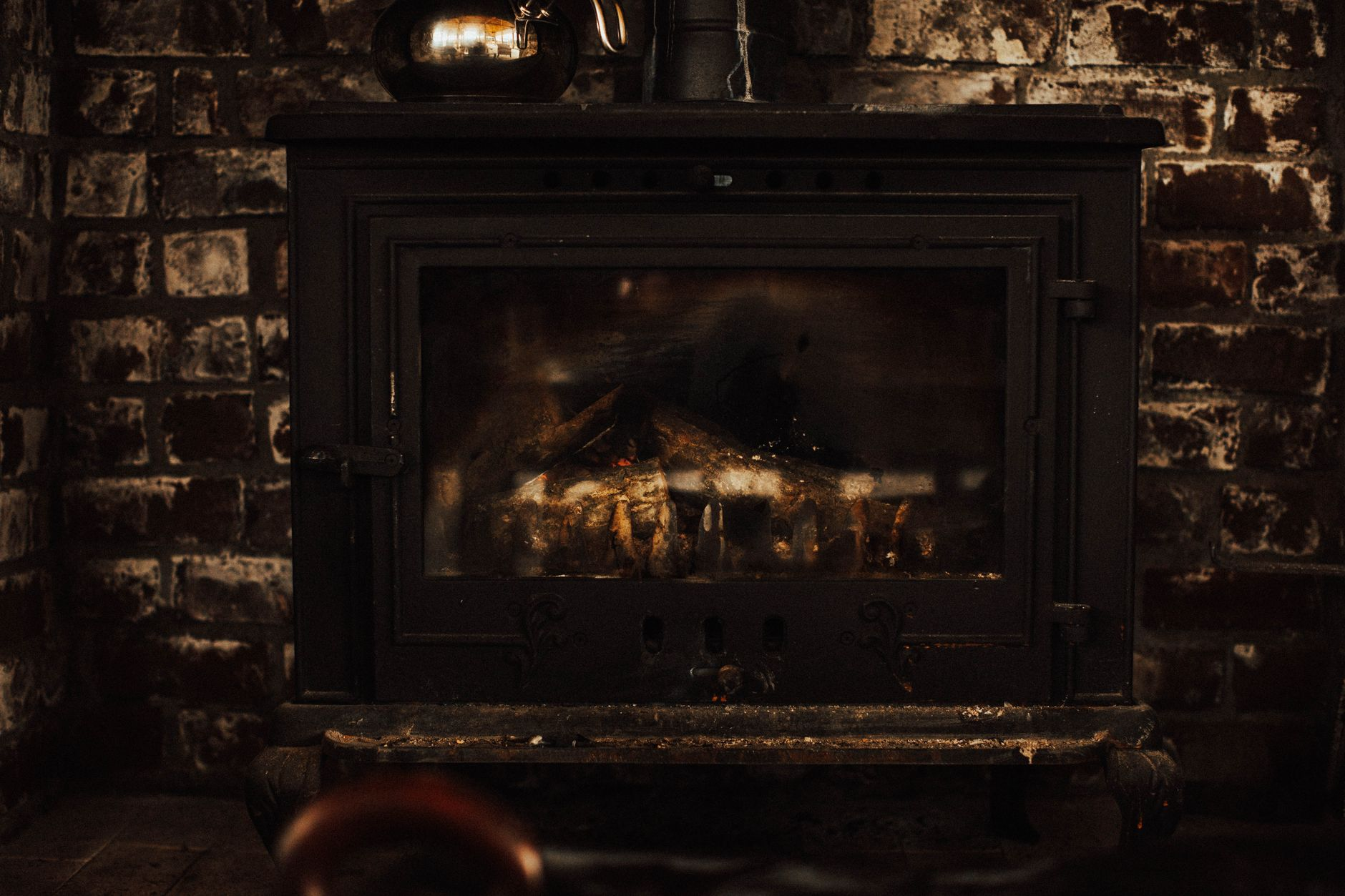
Photo by Lokman Sevim on Pexels.