A fireplace conversion is one of the more involved projects a homeowner can take on, and the decisions made early in the process shape everything that follows. After 25 years of completing conversions across the Bay Area, from older craftsman homes in Berkeley to newer builds in Danville and Pleasanton, our team at Cali Chimney has seen what separates a smooth project from a frustrating one. This guide walks you through fireplace conversion the right way, covering the planning stage, the inspection work, the installation itself, and what comes after.
What Fireplace Conversion Actually Means
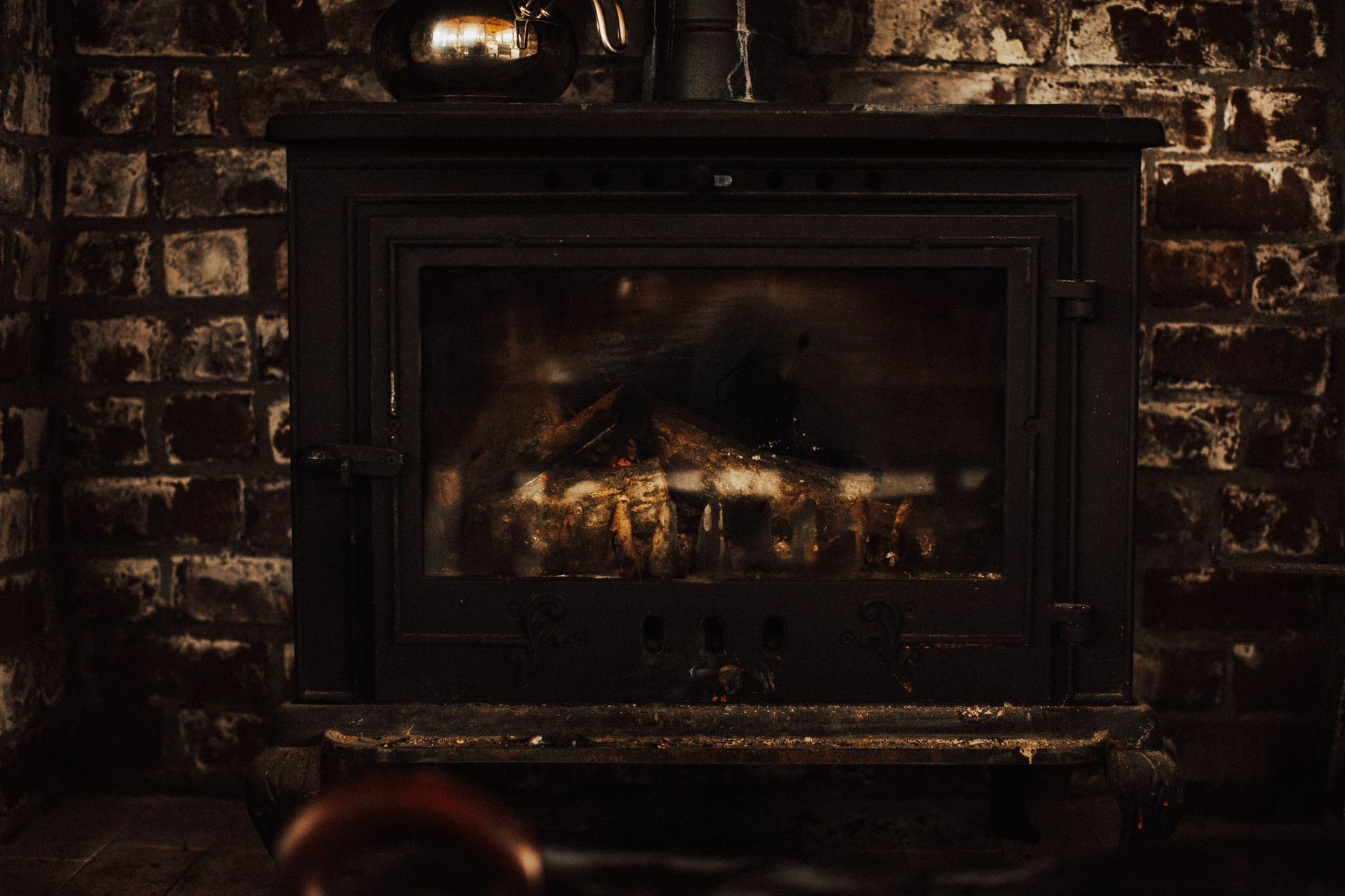
The term gets used loosely, so it helps to be precise. A fireplace conversion typically means changing a wood-burning fireplace into a gas-burning one, though it can also mean converting an older decorative unit into a functioning insert, or updating a gas system from one fuel type or configuration to another. The most common request we handle is wood-to-gas: a homeowner wants to stop buying and storing wood, wants to reduce ash and smoke inside the home, or simply prefers the convenience of a gas flame.
Each type of conversion has its own set of requirements. Wood-to-gas work involves running a gas line to the firebox, choosing the right gas insert or log set, and addressing the existing flue so it handles gas combustion safely. That last point matters more than most homeowners expect. A flue sized and lined for wood-burning is not automatically ready for gas appliances, and skipping that step is one of the more common mistakes we see on jobs we inherit from other contractors.
Approaching Fireplace Conversion the Right Way Starts with an Inspection
Before any product is ordered or any gas line work is scoped, the fireplace and chimney need a thorough inspection. This is not a formality. The inspection tells you the condition of the firebox, the flue liner, the damper, the smoke chamber, and the exterior masonry. Each of those elements affects which conversion path is practical and what additional work will be needed before the new appliance is safe to use.
A professional chimney inspection should be a Level 2 inspection when a conversion is planned. Level 2 is the industry standard for any change in the appliance type or fuel being used. It includes a visual examination of accessible areas plus a camera scan of the flue interior. That scan often reveals issues that would be invisible otherwise: cracks in the liner, deteriorated mortar joints, or gaps that allow combustion gases to enter the home rather than vent safely upward.
If the inspection finds problems, those need to be addressed before the conversion moves forward. Trying to shortcut this sequence almost always creates bigger issues later, and in some cases creates genuine safety risks.
Choosing the Right Conversion Option for Your Fireplace
Once the inspection is complete and the firebox is confirmed structurally sound, the next decision is which type of gas appliance makes the most sense. The two main options for a wood-to-gas conversion are a gas insert and a gas log set. They are not interchangeable, and the right choice depends on your fireplace’s dimensions, the condition of your flue, and how you plan to use the fireplace.
Gas Inserts
A gas insert is a self-contained unit that slides into the existing firebox. It comes with its own sealed combustion chamber and its own liner, which runs up through the existing flue. This is the more thorough conversion: the existing chimney essentially becomes a chase for the new liner. Gas inserts are well-suited for homeowners who want reliable heat output, high efficiency, and a clean-looking installation. They also tend to perform better in homes where the existing flue has some deterioration, because the new liner handles all the venting.
Gas Log Sets
A gas log set is installed inside the existing firebox without enclosing it. The logs sit on a burner connected to the gas line, and combustion gases vent through the existing flue. This option generally requires a flue that is in good condition and properly sized for gas appliances. It produces a more open, traditional flame appearance. The tradeoff is that it is less thermally efficient than an insert, and it depends more heavily on the existing chimney being in solid shape.
There is no single right answer between the two. Our team walks homeowners through the pros and cons based on what the inspection found and how the fireplace will realistically be used.
The Gas Line and Permitting Step
Running a gas line to the firebox is not a DIY task, and it is not something a chimney company handles in isolation. In most Bay Area jurisdictions, gas line work requires a licensed plumber or gas fitter, and the project as a whole typically requires a building permit. This is true whether you are in San Francisco, San Jose, Oakland, or any of the smaller cities in Marin or Sonoma counties.
Permits exist for a reason. They trigger an inspection by the local building department, which confirms the installation meets code. Skipping the permit process might seem like a way to save time, but it creates real liability when you sell the home and can complicate your homeowner’s insurance if something goes wrong. A reputable fireplace conversion contractor will tell you up front what permits are needed and help coordinate the process rather than suggest you skip it.
Our role in this stage is to handle the chimney side: the flue liner, the firebox preparation, and the appliance installation. The gas line connection is coordinated with a licensed tradesperson, and we do not consider the job complete until all required inspections have passed.
Flue Lining and Firebox Preparation
This is the step that gets skipped most often in cut-rate conversions, and it is the step that matters most for long-term safety. When a wood-burning fireplace is converted to gas, the flue must be lined appropriately for the new appliance. Gas combustion produces different byproducts than wood combustion, and those byproducts are corrosive over time if they contact an unlined masonry flue.
For a gas insert, the liner is included as part of the insert system and is installed as a unit. For a gas log set, a separate flexible stainless steel liner is typically sized and installed to match the appliance’s venting requirements. Either way, the liner needs to be the right diameter for the appliance’s BTU output. Too large a liner causes the flue gases to cool before they exit, leading to condensation and accelerated deterioration. Too small a liner restricts the draw and can cause backdrafting.
The firebox itself also needs attention. Any loose or deteriorated firebricks, damaged refractory panels, or crumbling mortar joints need repair before the new appliance goes in. Our team handles fireplace repair as part of the conversion scope when needed, so homeowners are not left coordinating between multiple contractors for what is essentially one connected project.
What to Expect During and After Installation
The installation day itself is usually straightforward when the prep work has been done properly. The liner goes in, the appliance is set, connections are made, and the system is tested. Our team runs through a full operational check before we consider the job done: confirming the pilot ignition, checking the flame pattern, verifying the draft, and making sure the controls work as they should.
After installation, the homeowner gets a walkthrough of how to operate the appliance, what routine maintenance looks like, and when the first service appointment should be scheduled. Gas fireplaces need annual service, just like wood-burning ones. The burner, the pilot assembly, the thermocouple, the logs or media, and the venting all benefit from a yearly look. Skipping annual service is how small issues become bigger ones.
For ongoing care, a professional fireplace cleaning each year keeps the burner and venting components clear and helps the appliance perform the way it was designed to. If at any point the flame pattern changes, the pilot will not stay lit, or you notice an unusual odor when the fireplace is running, those are signs to call for service before using it again.
Finding a Contractor You Can Trust for This Work
A fireplace conversion touches gas supply lines, combustion equipment, and ventilation, which means the quality of the contractor matters a great deal. Look for a company with a real track record in chimney and fireplace work specifically, not a general handyman service. Ask whether they pull permits, whether they do a pre-installation inspection, and whether they handle the flue lining as part of the conversion scope or expect you to arrange that separately.
Cali Chimney has been doing this work across the Bay Area for 25 years as a family-owned business. We have completed over 4,700 chimney and fireplace jobs, and we have earned the Angi Super Service Award every year from 2022 through 2025. That track record matters on a project like this, where the details in the prep stage determine how well everything else goes.
If you are weighing a fireplace conversion and want an honest assessment of your specific fireplace before committing to anything, we are happy to start with an inspection and walk you through what we find. No pressure, no overselling. Just a clear picture of what the project involves for your home.
Photo by Lokman Sevim on Pexels.