Gas fireplace service is one of those things that looks straightforward from the outside but hides a surprising number of ways to go wrong. After 25 years of working on fireplaces across Oakland, San Francisco, Berkeley, Napa, and the wider Bay Area, our team at Cali Chimney has seen the same missteps repeat themselves season after season. Some are harmless inconveniences. Others quietly create real safety risks. This post covers the most common ones and, more importantly, what to do differently.
Skipping Annual Gas Fireplace Service Entirely
The single most common mistake we encounter is simply not scheduling service at all. Gas fireplaces have a reputation for being low-maintenance compared to wood-burning units, and that reputation is not completely wrong. But low-maintenance does not mean no-maintenance. Every gas fireplace has components that wear, shift, and accumulate debris over time: burner ports, pilot assemblies, thermocouples, gas valves, and the venting system that carries combustion byproducts safely out of your home.
When those parts are never inspected, small problems go undetected. A partially blocked vent, for example, can allow carbon monoxide to migrate back into living space. A thermocouple that is drifting out of calibration may let the pilot light go out unexpectedly, or worse, may not shut off the gas supply reliably in a fault condition. Annual service catches these issues while they are still inexpensive to address and before they become safety concerns.
Our recommendation is to have your gas fireplace professionally serviced at least once a year. Many Bay Area homeowners find the end of summer or early fall the ideal window, before the first cold snap drives demand up. Our fireplace repair team handles everything from routine tune-ups to more involved component replacements.
Treating Venting Problems as a Cosmetic Issue
Gas fireplaces vent in a few different ways. Some are direct-vent units that draw outside air for combustion through one flue and exhaust through another. Others are natural-draft units that use an existing masonry chimney. A smaller category, vent-free fireplaces, burns inside the living space entirely. Each type has its own set of venting requirements, and each is prone to its own set of problems.
What we consistently see is homeowners noticing a venting symptom and assuming it is cosmetic. Soot staining around the firebox opening, a faint gas smell after lighting, or a pilot that keeps going out are not cosmetic. They are the fireplace telling you something is wrong with how combustion gases are moving through or out of the system.
Blocked or improperly sealed vent terminations are especially common in our service area. Bay Area winters bring rain, fog, and sustained moisture that can cause corrosion in direct-vent caps and encourage nesting activity in chimney flues. A chimney inspection that includes the venting system is the right way to determine whether a symptom is minor or serious. Do not wait for the symptom to get worse before calling.
DIY Gas Line and Burner Work
We understand the impulse. A YouTube video makes relighting a pilot or cleaning a burner look simple, and sometimes it is. But there is a meaningful line between basic homeowner tasks and work that should only be done by a licensed professional, and gas-related repairs sit firmly on the professional side of that line.
Adjusting gas pressure, replacing gas valves, re-routing flexible gas connectors, or tampering with the burner assembly are jobs where getting it slightly wrong can have consequences that range from persistent ignition failure to a dangerous gas accumulation in the firebox. We have responded to service calls where well-intentioned DIY work left fittings finger-tight rather than wrench-tight, or left a gas valve in a position that bypassed the safety shutoff.
What homeowners can reasonably do: keep the glass panels clean using a cleaner rated for ceramic glass, check that the area around the firebox is free of obstructions, and test the carbon monoxide detector nearest to the fireplace regularly. Everything inside the unit itself, and anything involving the gas supply, belongs with a qualified technician.
Ignoring the Signs That Something Has Changed
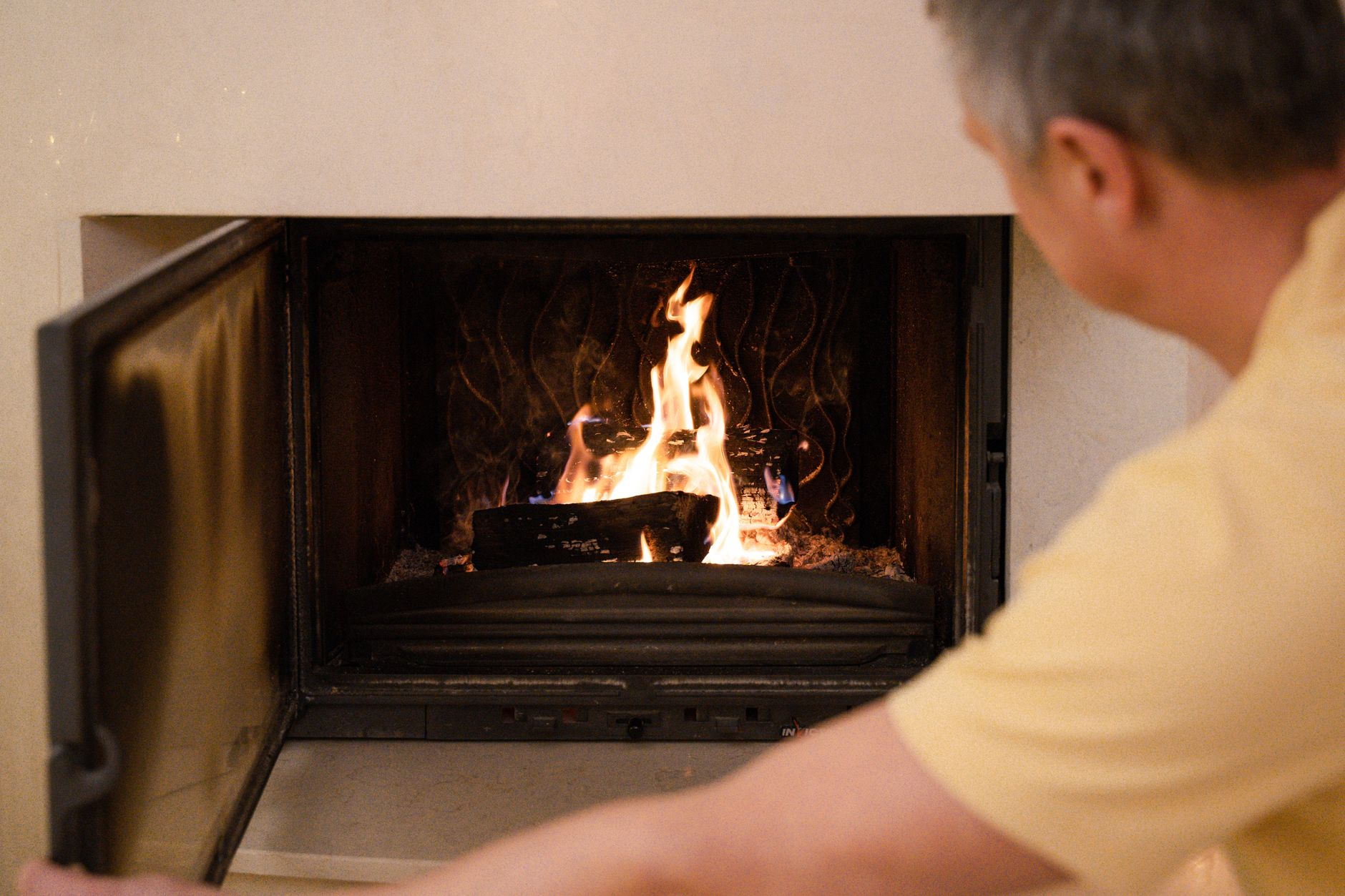
Gas fireplaces, when they are working correctly, behave in consistent ways. The flame pattern is stable. The color is predominantly blue with yellow tips on the log set. The unit lights within a few seconds. The glass stays relatively clear. When any of those baseline behaviors change, that change is meaningful information.
Some of the changes we hear about most often from homeowners in Concord, Pleasanton, San Rafael, and Petaluma include:
- Flames that have become almost entirely yellow or orange and produce visible soot on the glass
- A pilot light that requires multiple attempts or holds for only a short time before going out
- Unusual odors when the fireplace is running, particularly anything sulfurous or metallic
- Clicking sounds from the igniter that do not result in the burner lighting
- A firebox that takes noticeably longer to reach operating temperature
None of these symptoms should be met with a wait-and-see approach. Each one points to a component that needs attention. Catching them early almost always means less involved service than if the same issue is left to develop further.
Choosing a Technician Without Checking Qualifications
Not everyone who advertises gas fireplace service has the training to do it safely. This is a mistake we see the downstream effects of regularly: a homeowner calls us after a previous service did not resolve a problem, or after new problems appeared following a prior technician’s visit.
When you are evaluating a service provider for your gas fireplace, it is reasonable to ask whether they have experience specifically with gas appliances rather than only wood-burning systems, whether they are licensed to work on gas systems in California, and whether they carry liability insurance. You should also look at verifiable third-party reviews, not just testimonials on the company’s own website.
Cali Chimney is a family-owned business with 25 years of experience serving the Bay Area. We have completed more than 4,700 chimney and fireplace service jobs, and we have earned the Angi Super Service Award every year from 2022 through 2025. Those credentials exist because we take the work seriously, and we think homeowners deserve to know who they are letting into their home.
For any gas-related service, also make sure the technician performs a full safety check after completing the work, not just a visual inspection of the component they serviced. The value of a thorough service call is in the complete picture it provides, not just the single item that prompted the call.
Neglecting the Firebox Surround and Chimney Cap
Homeowners who keep up with gas fireplace service sometimes still overlook the components adjacent to the fireplace itself. The firebox surround, the chimney cap, and the chase cover on a factory-built fireplace are all part of the system that keeps the unit functioning correctly and keeps outside elements from entering.
Chimney caps, for example, prevent rain, debris, and animals from entering the flue. On a gas fireplace with a natural-draft chimney, a damaged or missing cap can allow enough moisture intrusion to corrode the damper, introduce nesting material into the flue path, and contribute to draft problems. Many of the draft-related complaints we receive in Fremont, Davis, and Half Moon Bay trace back to a cap that was damaged in a storm and never replaced.
Cali Chimney offers chimney cap installation as part of a broader service visit, so addressing the cap and the fireplace in a single appointment is straightforward. Similarly, if the area around your gas fireplace has cracked tile, damaged facing material, or a surround that has shifted, our fireplace repair team can assess whether those issues are cosmetic or structural before they become bigger problems.
How to Get Gas Fireplace Service Right
Avoiding these mistakes does not require specialized knowledge on your part. It mostly requires taking a consistent, proactive approach rather than reacting only when something breaks. Schedule annual service before the season begins, call a qualified technician when you notice any change in how the fireplace behaves, and do not mistake the convenience of a gas appliance for an invitation to skip maintenance altogether.
If you are overdue for gas fireplace service or if something about your unit has been bothering you without a clear explanation, we are glad to take a look. Our team serves homeowners throughout the Bay Area, and we bring the same careful attention to a routine tune-up as we do to a more involved repair. Reach out to Cali Chimney to schedule a service visit and get your fireplace ready for whatever the Bay Area winter brings.
Photo by Pavel Danilyuk on Pexels.