Choosing between a gas and a wood-burning fireplace is one of the bigger decisions a Bay Area homeowner can make. Both keep your home warm and cozy, but they differ in cost, maintenance, ambiance, and upkeep. The right choice depends on how you plan to use it.
Below, our technicians compare a gas fireplace and a wood-burning fireplace side by side, so you can decide which one fits your home and your lifestyle.
Wood-Burning Fireplaces: Pros and Cons
A wood-burning fireplace delivers the classic experience: real flames, crackling logs, and that unmistakable wood-smoke smell. For many homeowners, nothing replaces it.
That authenticity comes with more upkeep, however. A wood-burning fireplace produces creosote and ash, so it needs regular cleaning to stay safe.
- Pros: authentic ambiance, strong radiant heat, works during power outages, and lower fuel cost if you have access to firewood.
- Cons: more maintenance, creosote buildup, ash cleanup, and slower to start and stop.
Gas Fireplaces: Pros and Cons
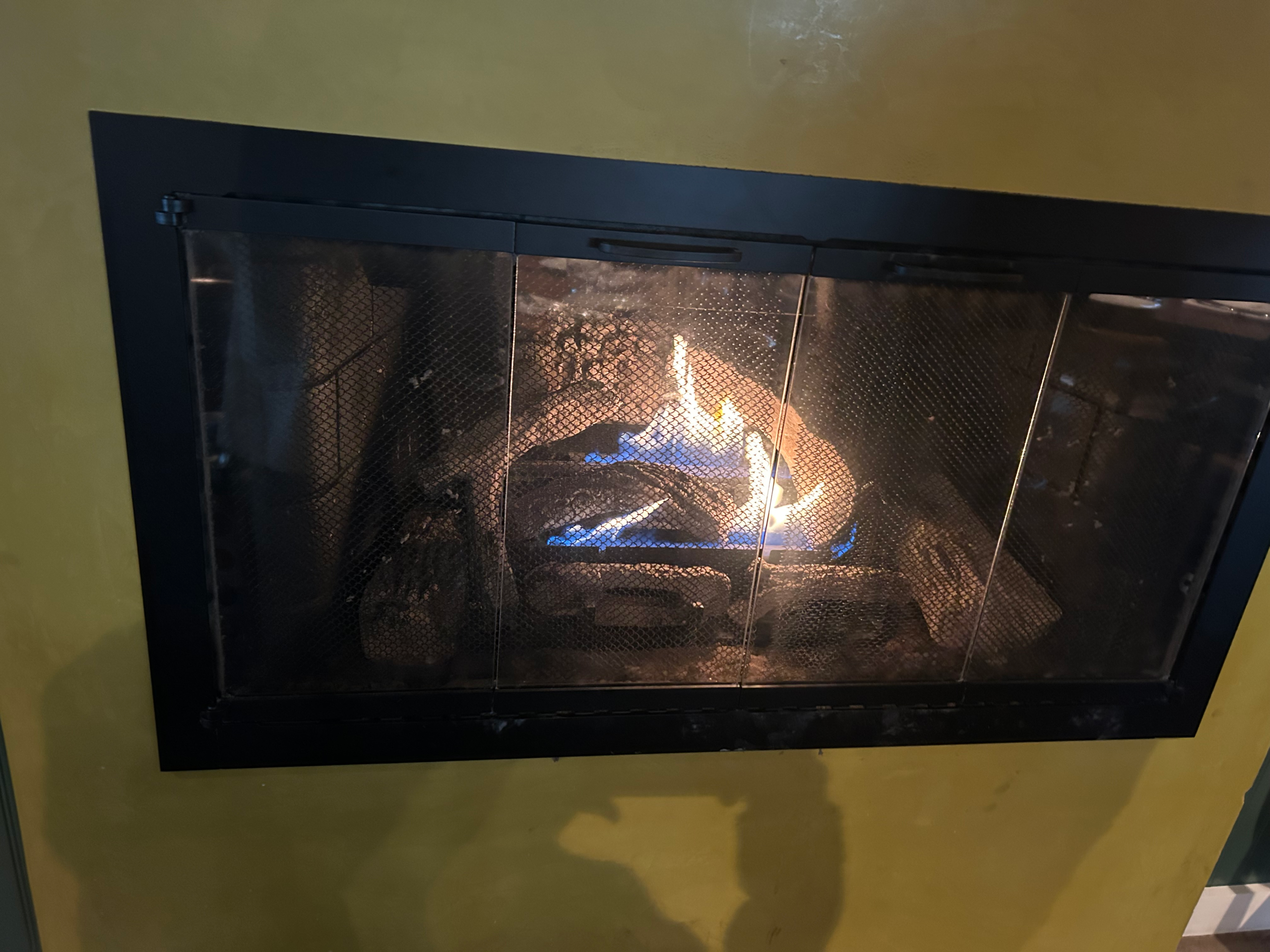
A gas fireplace runs on natural gas or propane and lights instantly with a switch or remote. It is the convenient, low-effort option.
Because there is no wood to burn, a gas fireplace produces no creosote and very little mess. It still vents combustion gases, so it needs an annual safety check.
- Pros: instant on and off, consistent heat, no ash or creosote, and easy to operate.
- Cons: less authentic flame, depends on a gas line or propane, and no heat during a gas outage.
Comparing Cost, Heat, and Maintenance
When you weigh a gas fireplace against a wood-burning fireplace, three factors usually decide it.
Upfront and Running Cost
Wood-burning fireplaces are often cheaper to run if firewood is easy to get. Gas fireplaces cost more in fuel but less in time and cleanup.
Heat Output
A wood-burning fireplace produces intense radiant heat and keeps working in a power outage. A gas fireplace offers steady, controllable warmth on demand.
Maintenance Needs
A wood-burning fireplace needs annual sweeping to remove creosote, which you can read about in our guide on how often to clean your chimney. A gas fireplace needs a yearly inspection of the burner, venting, and connections.
Which Fireplace Is Right for Your Bay Area Home?
If you love the look, smell, and tradition of real flames, a wood-burning fireplace is hard to beat. If you value convenience and clean operation, a gas fireplace makes more sense.
Either way, regular care keeps it safe and efficient. The EPA Burn Wise program offers helpful tips on burning cleaner and heating more efficiently. Our team also provides fireplace cleaning and chimney sweep services for both fireplace types.
Frequently Asked Questions
Does a gas fireplace need a chimney?
Some gas fireplaces vent through an existing chimney, while direct-vent models vent through a wall. Both still require annual inspection to confirm safe venting.
Is a wood-burning fireplace more expensive to maintain?
Generally, yes. A wood-burning fireplace needs regular sweeping to remove creosote, while a gas fireplace needs a simpler annual safety check.
Can I convert a wood-burning fireplace to gas?
Often, yes. Many wood-burning fireplaces can be fitted with a gas insert. A technician can confirm whether your firebox and venting are suitable.
Which fireplace is safer?
Both are safe when maintained. A wood-burning fireplace carries a higher creosote and spark risk, while a gas fireplace requires careful attention to venting and gas connections.
Get Expert Fireplace Help in the Bay Area
Still deciding between a gas and a wood-burning fireplace? Cali Chimney can inspect, clean, and service both across the San Francisco Bay Area, including San Francisco, Oakland, San Jose, Fremont, Concord, San Rafael, and Petaluma.
Contact Cali Chimney for expert advice and service. We will help you keep whichever fireplace you choose safe, efficient, and ready to enjoy.