Learning how to clean your fireplace is one of the most practical things a Bay Area homeowner can do before or after burning season. After 25 years of fireplace cleaning work across Oakland, San Francisco, Napa, Santa Rosa, and dozens of other Bay Area communities, our team at Cali Chimney has seen firsthand how a clean firebox and proper maintenance habits make a real difference in both safety and performance. This guide walks you through what you can do yourself, what to watch for, and when to call in a professional.
How to Clean Your Fireplace Without Making a Mess
The biggest complaint homeowners have about DIY fireplace cleaning is ash and soot ending up everywhere. A little preparation goes a long way. Before you touch anything inside the firebox, give the ash at least 24 to 48 hours to cool completely after the last fire. Warm ash is deceptively dangerous, and disturbing it too early spreads fine particulate through the room.
Lay a canvas drop cloth or old sheet across the hearth and several feet of flooring in front of it. Close any room vents, and if you have a ceiling fan, turn it off. You want still air, not a draft that pulls soot deeper into the room.
Use a fireplace shovel to scoop ash into a metal bucket, never a plastic bag or cardboard box. Even ash that seems cold can contain a live ember. Transfer the bucket outside and let it sit on a non-combustible surface for another day before disposal. Once the bulk of the ash is out, use a small stiff-bristle brush to sweep residual ash off the firebox floor and toward the ash dump door if your fireplace has one.
Cleaning the Firebox Walls and Grate
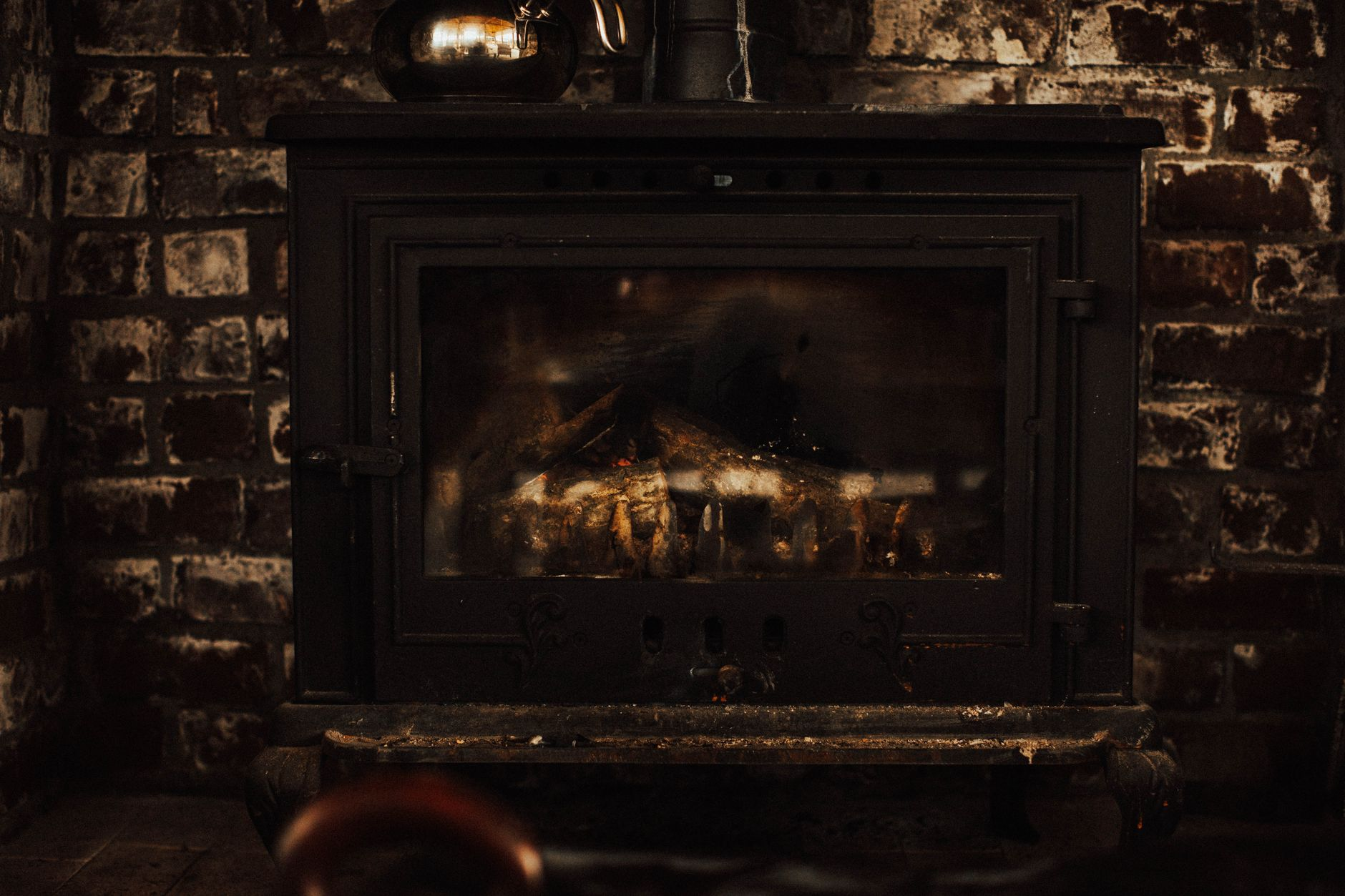
The firebox is the interior chamber where fires actually burn. Over time, the rear and side walls accumulate a dark, sooty coating. Light surface soot is normal. A thick, shiny, or tar-like black layer is a different issue entirely, and we will address that separately below.
For routine surface soot, a stiff wire brush and a little elbow grease are usually enough. Work from top to bottom so loosened material falls down rather than onto a surface you just cleaned. Some homeowners use a mixture of water and cream of tartar for stubborn soot stains on firebrick, applying with a scrub brush and rinsing with a damp cloth. Avoid any cleaner that contains bleach, as it can damage the mortar joints between firebrick.
The grate, the metal rack that holds logs above the firebox floor, can be carried outside and scrubbed with a wire brush. Inspect it while you have it out. If the bars are warped, cracked, or rusted through, replace it before the next burning season. A deteriorated grate affects how air flows around the fire.
The Damper and Smoke Shelf: Do Not Skip These
Most homeowners focus entirely on the firebox and miss the two areas directly above it: the damper and the smoke shelf.
The damper is the movable plate that controls airflow between the firebox and the flue, the vertical channel that carries combustion gases out of the home. Open and close it several times while wearing a headlamp and looking up into the throat of the fireplace. The damper should move smoothly and seal reasonably well when closed. A damper that is stiff, missing a handle, or refuses to fully close is wasting energy and should be repaired before the next burning season.
The smoke shelf sits just behind and above the damper. Its job is to redirect downdrafts so they do not push smoke back into the room. Debris, leaves, and even small animal nests accumulate on the smoke shelf over time, especially in Bay Area homes where oak trees and eucalyptus drop material onto the roof all year. You can reach the smoke shelf with a flexible fireplace brush and sweep material down into the firebox for removal. This is one of those steps that looks minor but genuinely affects draw.
Recognizing Creosote and Why It Changes Everything
Creosote is the byproduct of incomplete combustion. When wood smoke cools too quickly inside the flue, it condenses on the liner walls and damper as a sticky, flammable residue. First-stage creosote looks like dry, flaky soot and brushes away easily. Second-stage creosote is tar-like and crunchy. Third-stage creosote is a hard, shiny, black glaze that bonds to the liner and is highly resistant to standard brushing.
If the surfaces inside your fireplace look unusually dark, have an oily sheen, or if you can scrape a noticeable layer of residue with a fingernail, you are likely dealing with second or third-stage buildup. At that point, standard homeowner cleaning tools are not designed to handle it safely. Professional fireplace cleaning with commercial-grade rotary brushes, chemical treatments, and proper containment equipment is what the situation calls for.
We see heavy creosote frequently on jobs in areas like Boulder Creek, Berkeley, and parts of Danville where homeowners burn a lot of wood through the wet winter months. Unseasoned or wet wood is the primary culprit, it produces far more creosote than properly dried hardwood burned hot.
What a Professional Fireplace Cleaning Covers That You Cannot Do Yourself
A thorough professional fireplace cleaning goes beyond the firebox. A trained technician will clean the full length of the flue liner, which in a standard single-story Bay Area home can easily run 15 to 20 feet from the damper to the chimney cap. That is not something a homeowner can safely access from below with a short brush.
A professional cleaning also typically includes:
- Brushing the flue liner from the top down or bottom up with rotary or flexible rods
- Inspecting the liner condition for cracks, spalling, or separations
- Checking the chimney cap and crown for damage that could allow water intrusion
- Examining the smoke chamber, the area between the smoke shelf and the flue, for mortar deterioration
- Confirming proper damper function
- Containing all removed debris so it does not spread through the living space
At Cali Chimney, we have completed over 4,700 chimney and fireplace cleaning jobs across the Bay Area. Our team treats every job the same way: systematic, thorough, and with the firebox and home left clean when we leave. We have earned the Angi Super Service Award every year from 2022 through 2025, and that track record matters because it reflects consistent customer feedback, not just good intentions.
If you are unsure whether your fireplace needs a professional cleaning, a chimney inspection is a reasonable first step. A Level 1 inspection gives you a visual assessment of the accessible portions of the system, and our technicians will tell you honestly what they see.
Building Habits That Keep Your Fireplace Cleaner Between Services
The single most effective thing you can do to reduce creosote and maintain a cleaner fireplace is to burn properly seasoned hardwood. Wood needs at least one full year of open-air drying after cutting before it is ready to burn efficiently. Freshly cut or stored wet wood produces dense, cool smoke that accelerates buildup inside the flue.
A few other habits that genuinely make a difference:
- Build smaller, hotter fires rather than smoldering low fires. A hot, well-fed fire produces cleaner combustion and less residue.
- Open the damper fully before lighting and leave it open until the fire is completely out and ash is cold. Partially closed dampers slow the draw and allow smoke to linger in the firebox longer than it should.
- Clear ash regularly but not obsessively. Leaving about an inch of ash on the firebox floor actually helps insulate and support a new fire. More than two or three inches starts to restrict airflow.
- Check for outside debris after major wind events or the rainy season. Bay Area winters bring wet leaves, small branches, and occasionally birds into the chimney system, especially if the cap is damaged or missing.
If you have not had the fireplace or chimney serviced in more than a year, or if you burned regularly through the last cold season, a professional chimney sweep before the next burn season is worth scheduling. The National Fire Protection Association recommends annual inspection and cleaning for any fireplace used regularly, and that guidance exists for good reason.
When to Schedule Your Next Professional Cleaning
The Bay Area’s climate creates its own timing considerations. Many homeowners in San Francisco, Mill Valley, and Petaluma burn through November, December, and January when temperatures drop and evening fog settles in. That means the ideal time for a professional cleaning is either late summer before the burning season starts or late spring once you are done using the fireplace for the year.
Do not wait until you notice a smoke problem, a smell, or visible buildup at the damper. By then, the issue is likely more involved than routine cleaning. A family-owned company with 25 years of experience across the Bay Area, Cali Chimney schedules appointments Sunday through Friday and works across communities from Fremont and Pleasanton to Santa Cruz and Half Moon Bay.
If you are ready to schedule a cleaning or just want to know where your fireplace stands going into the next season, reach out to our team. We will give you a straight answer about what we find and what, if anything, needs attention.
Photo by Lokman Sevim on Pexels.