The question we hear most often when a homeowner first calls about a fireplace rebuild is some version of: “Do I really need all of that?” After 25 years of working inside Bay Area homes, from older craftsman bungalows in Berkeley to newer construction in Pleasanton, our team has seen what happens when a rebuild is done halfway. What most people get wrong about fireplace rebuild comes down to a handful of consistent misunderstandings, and clearing them up before work starts makes a real difference in how the finished fireplace performs and how long it lasts.
What Most People Get Wrong About Fireplace Rebuild
The biggest single misconception we encounter is that a rebuild is just cosmetic. Homeowners see crumbling brick or a scorched firebox and assume a fresh coat of refractory mortar and some new firebrick will take care of it. Sometimes that is true. But a fireplace is a system, not a surface. The firebox, smoke chamber, damper, flue liner, and chimney crown all work together to move combustion gases safely out of your home. When one component is severely damaged, others are often compromised as well, even if they look fine from across the room.
A partial fix on a structurally unsound firebox is a bit like patching one wall of a leaking basement. The water will find another way in. Combustion gases will too, and carbon monoxide has no smell to warn you.
Treating Smoke Damage as the Whole Story
Heavy smoke staining on the firebox walls gets homeowners’ attention, and understandably so. But smoke staining is a symptom, not the diagnosis. The underlying cause might be a misaligned smoke chamber, a deteriorated smoke shelf, or a damper that no longer opens fully. A proper rebuild evaluation looks behind the staining to understand what caused it.
We have walked into fireboxes in Concord and San Rafael where previous contractors had simply repainted the interior with high-heat paint, leaving a structurally failed firebox hidden underneath. The homeowner burned fires for another season before the real problem forced a far more extensive repair than if it had been addressed the first time.
Before any rebuild work begins, a thorough inspection of the smoke chamber and damper assembly is essential. That inspection is not a separate upsell. It is the step that tells you what you are actually fixing. If you have not had one recently, our chimney inspection service covers exactly this kind of evaluation.
Underestimating the Role of the Smoke Chamber
The smoke chamber sits directly above the firebox opening, between the damper and the base of the flue. Its job is to compress rising smoke and gases into a smaller area so they enter the flue efficiently. When the smoke chamber walls are damaged or corbelled incorrectly, smoke backs up into the room. This is one of the most common drivers of smoky fireplaces we see across the Bay Area.
A lot of homeowners assume a smoky fireplace is a draft problem at the top of the chimney, which leads them toward adding a cap or changing the flue height. Those changes might help marginally, but they will not solve a smoke chamber that is cracked or poorly shaped. The fix is parging: applying a smooth layer of refractory mortar to the smoke chamber walls so they are sloped correctly and airtight.
Parging is almost always part of a full fireplace rebuild, and it makes a noticeable difference in how cleanly a fire draws. If your rebuild estimate did not mention smoke chamber condition, ask about it directly.
Choosing Materials Based on Price Alone
Firebrick is not the same as standard building brick, and refractory mortar is not the same as the mortar used on exterior walls. The materials inside a firebox have to withstand temperatures that would crack ordinary masonry within a single season of regular use. Using the wrong materials is one of the more costly mistakes we see in fireplace work done by contractors who are not specialists.
There are a few key material choices that matter in a rebuild:
- Firebrick: Dense, high-alumina brick rated for sustained high heat. Not all firebrick sold at home improvement stores meets the same standard. Thicker brick holds and radiates heat better over time.
- Refractory mortar: Rated for the temperatures reached in an active firebox, not general masonry mortar. It stays bonded through repeated heating and cooling cycles.
- Smoke chamber parge coat: Should be a factory-mixed refractory product, not site-mixed mortar, for a consistent result.
- Damper: If the existing damper is warped or corroded, a throat-mount or top-mount replacement is part of the rebuild, not an optional add-on.
If a quote for your rebuild is considerably lower than others, ask what materials are specified. Saving money on materials is usually where corners get cut, and the firebox will show it within a few years.
Skipping the Post-Rebuild Inspection
A rebuild creates new masonry joints that need to cure before the fireplace is used. Rushing this step is a common mistake. Many contractors hand the homeowner a finish date and consider the job done, but a newly rebuilt firebox should be allowed to cure fully before the first fire, and the first few fires should be small break-in burns that gradually introduce heat into the fresh refractory materials.
Beyond curing, a post-rebuild inspection gives you documented confirmation that the firebox, smoke chamber, and flue are all functioning together as a system. This is particularly important if you plan to use your fireplace regularly or if an insurance claim was involved in the rebuild. We recommend scheduling a Level 2 chimney inspection after any significant rebuild work. A Level 2 inspection uses a camera to verify the flue liner condition from inside, which a visual check from the firebox opening simply cannot do.
Our team has completed well over 4,700 chimney and fireplace jobs across the Bay Area, and the calls we get about redoing a rebuild that failed too soon almost always involve one of two things: wrong materials, or skipping the post-rebuild inspection.
Assuming Any Masonry Contractor Can Do the Work
A general masonry contractor who builds patios and retaining walls works with materials in a fundamentally different environment than a fireplace interior. Outdoor masonry does not cycle through hundreds of degrees of temperature change every time someone lights a fire. The techniques, the material knowledge, and the diagnostic skills involved in a fireplace rebuild are specific to this kind of work.
This is one of the reasons we always recommend working with a contractor who has dedicated experience in chimney and fireplace systems, not just masonry in general. Our crew at Cali Chimney focuses exclusively on chimney and fireplace services. We have been doing this as a family-owned operation for 25 years, and we have earned the Angi Super Service Award every year from 2022 through 2025 because this specific kind of work is what we do every day.
When interviewing contractors for a rebuild, ask directly how many fireplace rebuilds they have completed, what their process is for evaluating the smoke chamber, and whether they will provide a written assessment of each component before work begins. A contractor confident in their expertise will answer those questions without hesitation.
If you are also dealing with related issues like a damaged firebox alongside structural chimney problems, our chimney repair service covers the masonry and structural work above the firebox as well, so you are not managing two separate contractors for what is often a connected problem.
What a Reliable Fireplace Rebuild Actually Involves
A well-done rebuild starts with a complete condition assessment, not a bid. Every component of the firebox system is evaluated before a scope of work is written. The firebox floor and walls, the smoke shelf, the smoke chamber, the damper, and the visible portion of the flue liner are all examined. Only after that evaluation does it make sense to talk about what work is needed.
The rebuild itself follows a logical sequence: remove damaged material, correct any structural issues in the firebox opening or smoke chamber geometry, install proper firebrick and refractory mortar, parge the smoke chamber if needed, and replace or repair the damper. The work is then allowed to cure, and a follow-up inspection confirms the system is ready for use.
Bay Area homes present a specific set of conditions worth mentioning: wet winters and regular fog exposure accelerate deterioration in fireboxes that are not used or maintained consistently. Homeowners in Half Moon Bay and Mill Valley, where moisture levels are especially high, tend to see faster mortar deterioration than those in drier inland areas. This makes the material choices in a rebuild even more important.
If you are not sure whether your fireplace needs a full rebuild or a more targeted repair, the honest answer is that you need an inspection first. We would rather spend an hour looking at your fireplace and tell you that repairs are sufficient than quote a rebuild you do not need. If you are ready to get a clear picture of your fireplace’s condition, reach out to schedule an inspection with our team. We serve homeowners across the Bay Area, from San Francisco and Berkeley to San Jose, Napa, Santa Rosa, and everywhere in between.
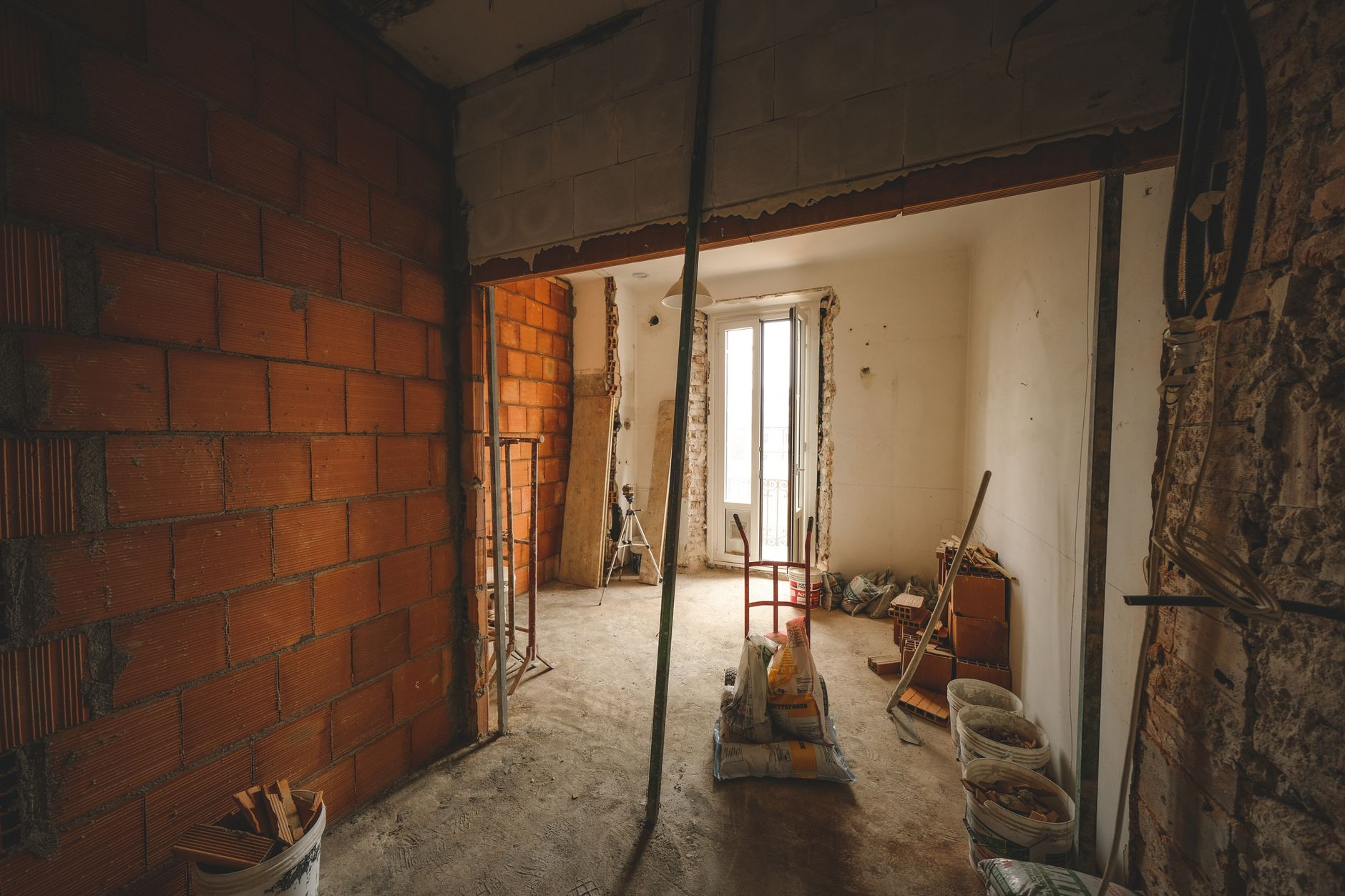
Photo by Francesco Ungaro on Pexels.