If you have noticed an unpleasant smell coming from your fireplace after winter ends, you are not alone. Fireplace odors are one of the most common complaints homeowners have as spring arrives. The short answer is simple. The smell usually comes from soot, creosote, or moisture inside the chimney. It gets stronger as the weather warms up.
Here is a breakdown of what causes fireplace odors after winter and what you can do about it.
Soot and Creosote Buildup
Creosote and soot accumulate inside the flue with every fire you burn. These deposits have a distinctive smoky or acrid smell that becomes more noticeable during warmer months. As temperatures rise and air pressure shifts, these odors drift down into your living space. This happens even without a fire.
This is the most common cause of post-winter fireplace odors. The Chimney Safety Institute of America notes that creosote is highly flammable, so removing it improves both safety and odor. The good news is that it is largely solved by professional chimney cleaning after the burning season. Removing the accumulated creosote and soot eliminates the primary odor source.

Moisture Inside the Chimney
The Bay Area’s damp winters, coastal fog, and rainy periods can introduce moisture into chimneys that are not fully protected. Moisture mixes with the creosote and soot inside the flue. Together they create a musty, damp odor that can grow strong.
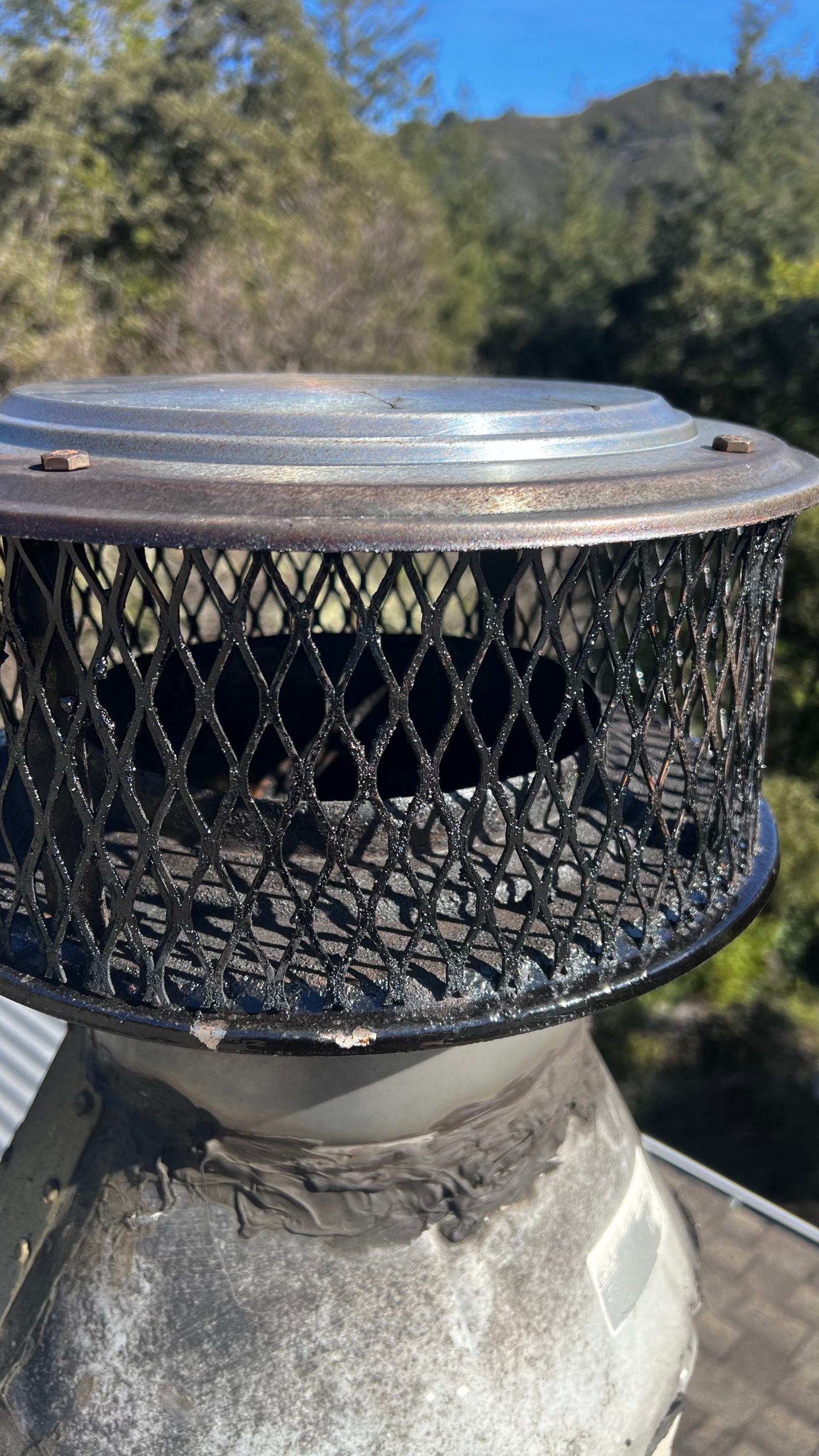
Moisture-related odor often intensifies in spring when humidity rises and air begins moving through the chimney system more actively. If your fireplace smells musty or earthy rather than smoky, moisture is likely a contributing factor. This can point to a damaged chimney cap, cracked crown, deteriorating flashing, or missing chimney waterproofing.
Animal Nesting or Debris in the Flue
Birds and small animals sometimes enter chimneys through unprotected flue openings. They often seek shelter there in fall and winter. A bird or animal may nest in your chimney, or worse, get trapped. The debris, droppings, or decay then produce a strong odor. This smell differs sharply from creosote.
If the smell is particularly foul or animal-like, have a professional inspect the flue before using the fireplace. A blocked or partially blocked flue from nesting material also poses a safety concern regardless of the smell. A properly installed chimney cap prevents animals from entering the flue in the first place.
Negative Air Pressure
Sometimes the odor problem is not about the chimney at all. Instead, it comes from how air moves through your home. Negative air pressure occurs when the pressure inside your home is lower than outside, causing air (and chimney odors) to be pulled downward through the flue into your living space.
This problem hits tightly sealed, well-insulated homes hardest. Exhaust fans, HVAC systems, and other appliances can make it worse. If your fireplace smells even after cleaning, negative air pressure may be contributing to the issue. A chimney professional can help assess airflow and recommend solutions such as a top-sealing damper.
A Dirty Firebox
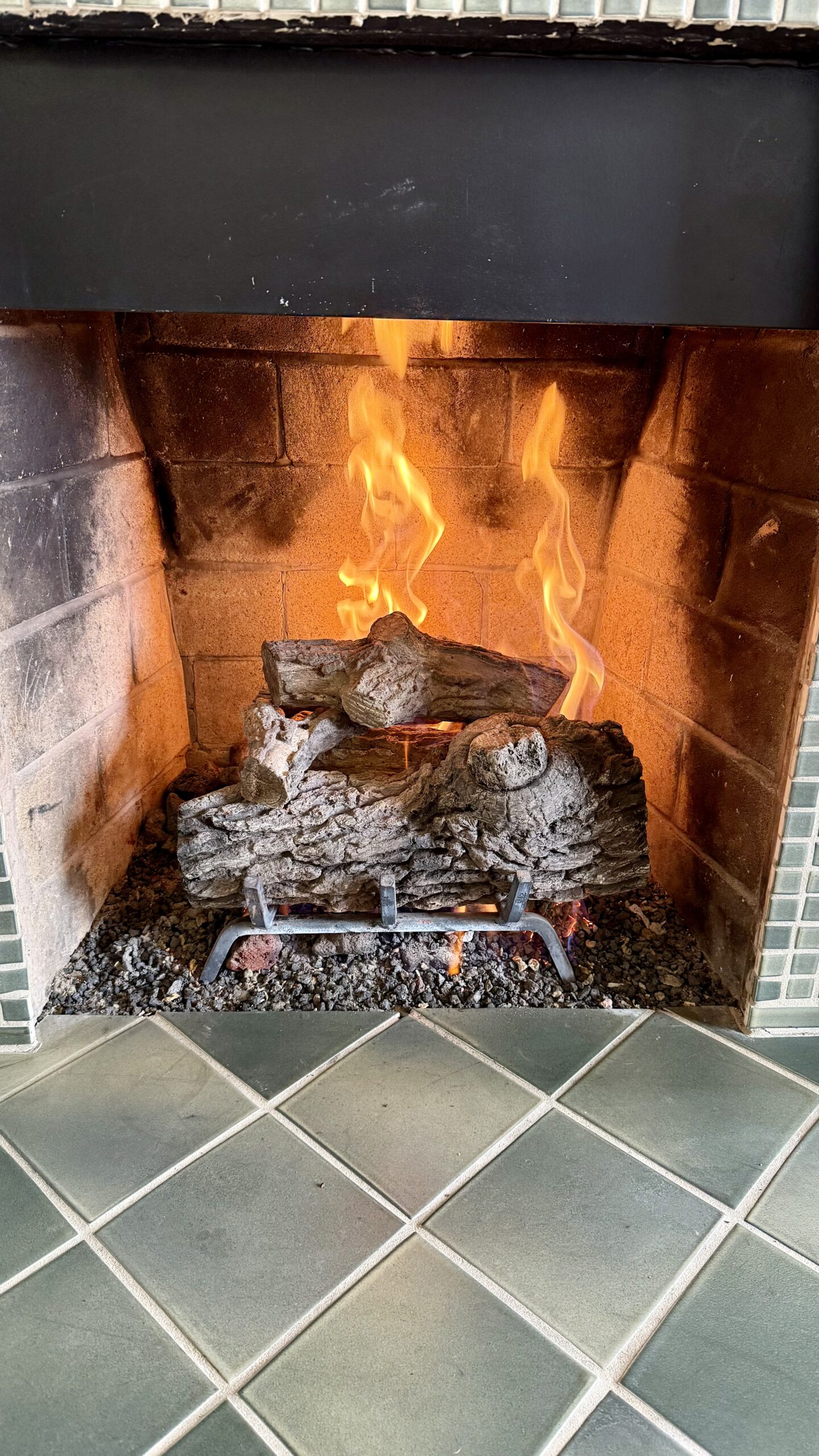
The firebox is the chamber where the fire burns. It collects ash, soot, and debris during the burning season. Leftover material in an uncleaned firebox can emit odors. The smell grows on sunny days or when the HVAC system runs.
Cleaning out ash and soot from the firebox at the end of the season is good practice. Pair this with a professional chimney cleaning for a complete freshening of the system.
Why Odors Get Stronger in Spring and Summer
Many Bay Area homeowners notice that their fireplace smells worse in spring and summer. It often smells stronger than in winter, when they actually use it. There are a few reasons for this:
- Warmer air activates odor compounds in creosote and soot deposits
- Higher humidity combines with residue to intensify smell
- Increased air movement in warmer months can draw chimney air down into the home
- Windows and doors left open can create airflow patterns that pull chimney air into living areas
For that reason, we recommend a post-season chimney cleaning in spring. It suits any household that used the fireplace through winter. Waiting until fall means living with the smell through the warmer months.
How Chimney Cleaning Helps With Odors
A professional chimney cleaning removes the creosote, soot, and debris that are the primary sources of most fireplace odors. Pair that cleaning with an inspection to find moisture intrusion points. Together, they clear post-winter fireplace odors most effectively.
If you have a gas fireplace, a fireplace cleaning and inspection is also appropriate. Gas fireplaces can accumulate dust, debris, and other buildup that affects both appearance and function over time.
Frequently Asked Questions
Is a fireplace smell after winter dangerous?
Creosote and soot cause most fireplace odors after winter. They are unpleasant, but they pose little immediate danger while the fireplace sits unused. However, if you smell gas, that is a different concern requiring immediate attention. Carbon monoxide from a blocked chimney is odorless. So keep a CO detector in your home, whatever your fireplace smells like.
Will the smell go away on its own?
Probably not. The odor-causing material is still in the chimney. Until you remove it, the smell may ease in cool, dry periods. It returns when conditions turn warm and humid. A professional cleaning addresses the source rather than masking the symptom.
Can I use fireplace deodorizers or baking soda to fix the smell?
Deodorizers can mask the smell temporarily, but they do not address the source. For a lasting solution, the chimney needs to be cleaned and any moisture entry points identified and repaired. Think of deodorizers as a temporary measure, not a fix.
When should I schedule chimney cleaning to avoid spring odors?
Schedule a chimney cleaning in late spring, soon after the season ends. This simple step prevents most post-winter odors. This removes the creosote and soot before warmer weather activates the odor compounds.
Schedule Chimney Cleaning to Eliminate Fireplace Odors
Has your fireplace smelled unpleasant since winter ended? A professional chimney cleaning is the most direct solution. Cali Chimney serves homeowners across the San Francisco Bay Area. That includes San Francisco, Oakland, San Jose, Fremont, Concord, San Rafael, and nearby communities.
Contact Cali Chimney to schedule a chimney cleaning and inspection. We will identify the source of the odor and give you a clear picture of what your chimney needs.